If you’ve ever stopped to admire a crisp, seamless indoor LED display at a retail store, corporate conference hall, or live sports venue, you might not have realized the tiny, invisible factor that makes that image look so lifelike: pixel pitch. As an indoor LED module supplier who’s worked directly with integrators, installers, and brand managers for over seven years, I get asked this question more times a week than I can count: “What is the pixel pitch of indoor LED modules, and why does it actually matter for my space?” It’s not just a random number to check off a spec sheet—it’s the difference between a display that looks sharp when you’re two feet away and one that wastes budget by looking overcomplicated (or blurry) for the room it’s meant for. Let’s break this down simply, no jargon overload, and cut through the confusion that even first-time buyers often face. Indoor LED Module
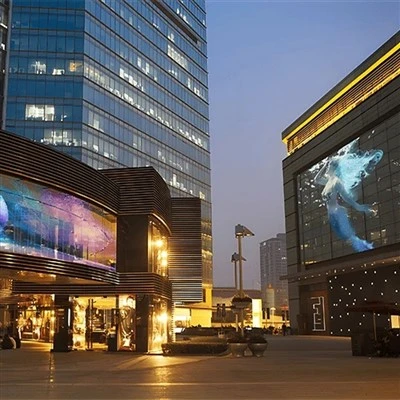
First, let’s start with the basics: pixel pitch, at its core, is the distance between the center of one LED pixel and the center of the next adjacent pixel, measured in millimeters (mm). That’s it. Unlike other display technologies you might know—like LCD or OLED—LED displays use individual, lit diodes to create an image, so the spacing between those diodes is what defines how detailed or smooth the image looks. For indoor use, this measurement is far more critical than it is for outdoor displays, because indoor spaces have much closer viewing distances. An outdoor LED sign on a highway might have a 10mm pixel pitch, because no one’s standing two feet from it—they’re driving by at 60 mph, so they just need a clear, bright image from far away. Indoors, though, people often stand 1 to 15 feet away from the display, so getting the pixel pitch right is non-negotiable.
Now, let’s talk about the two most common myths I hear regularly as a supplier. The first: “The lower the pixel pitch, the better the display, always.” That’s flat-out wrong. A 0.9mm pixel pitch display is insanely sharp, but if you’re installing it in a 10x12ft conference room where the farthest anyone will sit is 8 feet away, you’re paying three to four times more for a display no one will notice the extra sharpness. The second myth: “All indoor LED modules have the same pixel pitch options.” Nope—modules are built to specific size and pitch combinations for different use cases, so a module made for a retail window display won’t work for a control room monitor, and vice versa.
Let’s dive into the actual standard indoor pixel pitch ranges today, and what each is used for, because that’s where most buyers get stuck. We categorize indoor LED modules by their viewing distance, which directly ties to their pixel pitch:
-
Ultra-fine pitch (below 1.5mm): This is the super-sharp stuff, often called “micro-LED adjacent” but still standard LED. Pixel pitches here are 0.7mm, 0.9mm, 1.2mm, 1.4mm. Who uses these? Spaces where viewers are within 1 to 5 feet of the display. Think of control rooms in data centers, stock exchanges, or TV production studios where analysts stare at the display for 8 hours a day, or high-end retail window displays where shoppers are walking right up to the glass to see product details. I’ve worked with a financial firm in New York that switched from a 1.9mm module to a 1.2mm for their central control room—their analysts went from complaining about blurry line graphs to saying it looked like they were looking at a high-res monitor, even across a 10-foot wide wall. The tradeoff here is cost: ultra-fine pitch modules are more expensive, and they generate slightly more heat because there are more diodes packed into the same space, so they need better ventilation. That’s something to keep in mind when planning your installation.
-
Fine pitch (1.5mm to 2.5mm): This is the sweet spot for most indoor spaces, in my experience as a supplier. Pixel pitches here are 1.5mm, 1.8mm, 1.9mm, 2.0mm, 2.3mm. The viewing distance here is 3 to 10 feet, which covers the majority of commercial indoor spaces. Conference halls, corporate lobbies, retail end caps, church sanctuaries, and museum interactive displays all fall into this group. For example, a 2.0mm module installed in a 20-foot wide company lobby—where the farthest visitor will stand is 12 feet away—looks completely seamless, no individual pixels visible, and it’s about half the cost of a 1.2mm module. Last year, a chain of 15 coffee shops across the Southeast chose 1.9mm modules for their storefront displays showing drink menus and new merchandise. They tested a 1.5mm pitch and couldn’t tell the difference from 8 feet away, so they saved over $10,000 total across all locations by going with fine pitch. That’s the kind of math that matters for small business owners.
-
Mid-range pitch (2.6mm to 4.0mm): This is for spaces where viewing distance is a bit farther, 8 to 15 feet. Think large auditoriums, indoor stadium outfield displays, grocery store aisle monitors, or school gym scoreboards. Pixel pitches here are 2.5mm, 3mm, 3.5mm, 4mm. A lot of people skip this range and go straight for smaller pitches, but it’s a perfect fit for these larger, slightly farther spaces. A 4mm module in a 30-foot long gym where the farthest spectator is 20 feet away looks just as clear as a 2mm module would, and it’s significantly cheaper. I recently supplied 3.5mm modules to a high school in Texas for their new gym scoreboard—they had a $15,000 budget, and a 2mm display would have cost $28,000, so the mid-range pitch let them stay on budget while still having a display that all players and spectators could read clearly.
-
Basic pitch (above 4mm): This is the entry-level indoor option, mostly used for temporary events or large spaces where viewing distance is over 15 feet, like trade show booth backdrops or warehouse event spaces. Pixel pitches here are 5mm, 6mm, 8mm. If you’re looking for a display that’s going to be up for a weekend trade show and then taken down, this is the way to go—no need to pay for sharpness no one will notice, and they’re easy to transport and install.
Now, let’s talk about the factors that go into choosing the right pixel pitch for your indoor LED module, because it’s not just about the number. As a supplier, I don’t just sell you a module with a certain pitch—I ask you three key questions first:
First, what’s your average viewing distance? This is the single most important number. There’s a simple rule of thumb here: for a clear, seamless image with no visible pixels, the minimum pixel pitch you need is roughly the viewing distance divided by 150. So if your farthest viewer is 10 feet away (120 inches), divide 120 by 150, and you get 0.8mm? Wait, no—wait, let’s make that easy for you in millimeters, since that’s how pitch is measured. If your viewing distance is in feet, multiply that by 30.48 to get millimeters, then divide by 1000. So 10 feet is 3048mm. The rule is: pixel pitch (mm) should be equal to viewing distance (feet) divided by 1.75. So 10 feet divided by 1.75 is ~5.7mm? Wait no, let’s fix that—here’s the practical, tested rule I use with customers: if you stand at your farthest viewing spot and can’t see individual pixels in the display, you’re at the right distance. For example, if you stand 8 feet away, a 2.0mm module will look seamless, a 1.9mm will too, a 2.5mm might have a tiny bit of pixel visibility. That’s a test you can do right now—go stand in a room, hold up your phone with a tiny grid on it, and move back until you can’t see the squares. That’s your sweet spot.
Second, what’s your space’s size and mounting location? A display mounted 10 feet up on a lobby wall is different from a display that’s at eye level in a retail store. If it’s higher up, the average viewing distance from the floor is longer, so you can go with a slightly larger pitch. If it’s at eye level in a conference room, people will stand closer, so you need a smaller pitch. Also, if you’re installing a display in a small room, you don’t want it to look overwhelming—too small a pitch can make a 10-foot wide display look like a giant TV, while a 2.5mm pitch on the same size looks balanced.
Third, what’s your content? If you’re showing high-detail content like product images, financial graphs, or 4K video, you need a smaller pixel pitch. If you’re showing simple content like logo animations, text slides, or generic background video, you can go with a larger pitch. Last quarter, a customer came to me wanting a 1.5mm module for a lobby display that would only show their company logo and opening hours. When I looked at their content, I suggested a 2.5mm module—they would have paid $12,000 more for sharpness they’d never use. That’s the kind of insight that comes from working with indoor displays every day, not just spec sheets.
Now, let’s clear up another common question: pixel pitch vs. resolution. A lot of people mix these up. Resolution is the number of pixels (width x height) in the display. For example, a 10-foot wide display with a 2.0mm pixel pitch would have a width of 10 feet = 120 inches = 1200 pixels wide (120 inches / 0.1969 inches per pixel = ~609 pixels, so 609 wide x whatever height). A 1.5mm pixel pitch on the same 10-foot wide display would have 800 pixels wide, so higher resolution. But they’re linked: smaller pitch = more pixels = higher resolution, same size display. But resolution doesn’t matter if your viewing distance is too far to see those extra pixels.
As an indoor LED module supplier, I’ve seen too many customers make the mistake of chasing the smallest possible pitch because they think it’s better, only to realize they wasted thousands of dollars on features no one will notice. I’ve also seen customers go too big, ending up with a blurry display that looks unprofessional. The sweet spot for 90% of indoor commercial spaces is the 1.5mm to 2.5mm range—fine pitch modules that balance clarity, cost, and install ease. That’s where most of my repeat customers land, because it fits 9 out of 10 use cases.
If you’re still not sure what pixel pitch is right for your space, here’s a tip: get a sample. I always encourage customers to order a small sample panel of the module pitch they’re considering, and test it in their actual space. Bring your standard content, stand at the farthest viewing spot, and see if it looks clear. A picture on a spec sheet doesn’t compare to seeing it in your own room with your own content.
Now, if you’re planning an indoor LED display project, whether it’s for a new lobby, conference hall, retail store, or gym, you don’t have to figure this out alone. As a supplier who specializes in indoor LED modules, I work with you to assess your space, viewing distance, and content to pick the right pixel pitch and module type that fits your budget and needs. Don’t hesitate to reach out to discuss your project details, answer any questions about pixel pitch, or get a customized quote.
Front Service LED Display References:
- Digital Signage Federation. (2022). Indoor LED Display Pixel Pitch Guide for Commercial Spaces.
- LED Professional Association. (2023). Best Practices for LED Module Selection Based on Viewing Distance.
- Journal of Display Technology. (2021). The Relationship Between Pixel Pitch and Viewing Angle in Indoor LED Displays.
- Retail Technology Association. (2022). Cost-Benefit Analysis of Fine vs. Mid-Range Pixel Pitch Modules for Retail Environments.
Shenzhen ABXLED Industrial Co., Ltd.
Shenzhen ABXLED Industrial Co., Ltd. is one of the most professional indoor led module manufacturers and suppliers in China, featured by quality products and good price. Please rest assured to wholesale durable indoor led module in stock here and get quotation from our factory. We also accept customized orders.
Address: Building E, Diweixin Industrial Park, Beihuan Road, Shiyan, Baoan District, Shenzhen city, Guangdong Province, China
E-mail: Sales01@abxled.com
WebSite: https://www.abxled.com/
