If you’ve ever stood in the cleaning aisle, staring at a shelf of steam cleaners (or scrolling through your phone, comparing options at 11pm because your floors have seen better days), you’ve probably wondered: is there actually a right way to use one? I get it — as someone who’s been in the steamer game for over a decade, I’ve heard every mistake in the book. Some people blast their floors with steam like it’s a pressure washer for a patio, others use way too little steam and scrub forever, and way too many skip the prep work that actually makes the whole process work. This isn’t just “spray and pray” cleaning — there’s a science to getting floors spotless, streak-free, and safe, no matter if you’ve got hardwood, tile, laminate, or that weird vinyl that seems to trap every crumb. Steamer
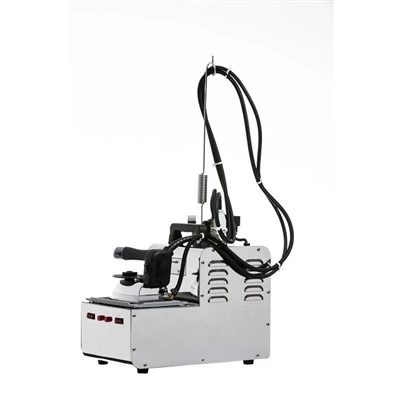
First, let’s pump the brakes for a second and talk about why steam cleaners work so well for floors. Unlike regular mops that just spread grime around (especially if you’re using dirty water), steam uses superheated water — usually 212°F to 250°F — to melt grease, kill 99.9% of common bacteria (think E. coli and salmonella, no chemicals required), and lift stuck-on gunk right off the surface. But here’s the thing: that magic only happens if you don’t mess up the basics. I’ve seen so many folks grab their steamer, plug it in, and go — only to end up with streaks, warped hardwood, or tile grout that’s now moldy instead of clean. Let’s break this down step by step, no jargon, no fancy steps, just what actually works from seeing thousands of customers get it right (and wrong).
Prep work is 80% of the battle, and I’m not kidding. You wouldn’t paint a wall without sanding it first, so don’t skip the floor prep. Start by picking up all the big stuff first — toys, socks, crumbs, the random Lego brick you found under the couch last week. A vacuum or a dry mop is non-negotiable here. Dust and dirt act like sandpaper when you run a steam cleaner over them, right? They can scratch hardwood, scuff laminate, and even get ground into tile grout where you can’t reach later. I once had a customer bring back a steamer because her hardwood floors had little scratch marks everywhere — turns out she’d skipped vacuuming and ran it over a pile of pet hair. Lesson learned: always do a dry pass first, no exceptions. If you’ve got sticky spills (like juice, syrup, or coffee), dab them with a paper towel first — don’t let steam hit a thick layer of goop. Steam will melt it, but if it’s a big blob, it might smudge instead of lift.
Next, know your floor type. Not all floors are made the same, and a steam cleaner that works on tile will destroy something else. Let’s get specific:
- Tile (ceramic, porcelain): This is steam’s sweet spot. You can crank it up to full heat, use a hard nylon pad, and even direct a little extra steam into the grout lines to kill mold and lift gunk. Just avoid pressing too hard — you don’t want to push water (even steam) between tiles where it can loosen adhesive.
- Hardwood: Wait, hardwood and steam? Yes, but only if it’s sealed (like polyurethane finished). Unsealed or oiled hardwood? Skip the steam — it can warp, crack, or ruin the finish. For sealed hardwood, keep the steam on medium heat, use a soft microfiber pad, and don’t let the steamer sit in one spot for more than 10 seconds. No lingering!
- Laminate: Similar to sealed hardwood — it’s plastic-coated, so it can handle a little steam, but too much can seep into the seams and cause swelling. Stick to low to medium heat, light passes, and never leave the steamer in one place.
- Vinyl (sheet or planks): Most modern vinyl is waterproof, so full steam is fine, but again, check the manufacturer’s specs. Some older sheet vinyl might be sensitive, so err on the side of lower heat if you’re unsure.
- Carpet (steam mop attachments): If your steamer has a carpet glide attachment, great — only use it on low-pile carpet, never high-shag. It works to refresh, not deep clean, so don’t expect it to get out old wine stains.
Now, let’s talk about the steamer itself. You don’t need the fanciest model (though we’ve got some great ones if you’re in the market), but you do need to use it right. First, fill the tank with distilled water — tap water has minerals that can build up inside the steamer over time, clogging the nozzle and making it less effective. I’ve seen customers use tap water for a year and their steam output dropped by half because of mineral gunk. That’s a quick fix people miss. Then, let it heat up fully — most models take 2-5 minutes. Don’t rush it; if you pull the trigger too early, the steam is weak and won’t do anything.
When you’re mopping, go with the grain of the floor. For hardwood or laminate planks, that means moving along the length, not across. It helps prevent streaks and reduces the chance of water seeping under the edges. Also, overlap each pass by about 50% — that way you don’t miss spots and you get consistent coverage. Don’t go too fast either — take slow, steady strides so the steam has time to work. I know, it’s tempting to zoom through like you do with a regular mop, but steam needs a second to melt grime.
Wait, what about pads? That’s another big mistake. Most steam cleaners come with microfiber pads, which are great for most floors, but hard nylon pads are for tile and heavy grime. Always use a clean pad — if you reuse a dirty pad, you’re just wiping grime back onto the floor. And don’t over-wet the pad! A lot of new users press down too hard on the steam trigger, making the pad dripping wet. That’s bad — too much water can warp wood, loosen tile adhesive, and leave streaks. The pad should be damp, not soaking. If you see water dripping from the steamer, you’re using too much steam. Back off the trigger a little.
After you’re done mopping, do a quick check. Walk across the floor in bare feet — if it feels sticky, you used too much water or steam. For sealed floors, a quick dry mop pass with a clean microfiber pad will fix that. And don’t forget to clean the steamer right away! Remove the pad, wash it in warm soapy water (no fabric softener, that leaves residue), empty any leftover water from the tank, and let it dry. Clogged nozzles are the #1 complaint we get from customers, and that’s almost always because they didn’t clean the steamer after each use. Pro tip: every month, run a small amount of white vinegar through the tank to dissolve mineral buildup — no harsh chemicals needed.
Now, let’s get to the “best practices” that actually make a difference, beyond the basics. First, don’t use any cleaning solutions with your steam cleaner — most manufacturers advise against it, because the chemicals can damage the internal parts and leave streaks. Steam alone is enough to kill bacteria and lift grime, so you don’t need to add anything. Second, for really tough spots (like dried-on food on tile, or a scuff mark on hardwood), use a little baking soda mixed with water to make a paste, scrub lightly with a soft brush, then go over it with the steam cleaner. Way more effective than just blasting it with steam. Third, if you’ve got pets, the steamer is a game-changer — it kills pet dander and bacteria that regular mops miss, just make sure to pick up pet hair before you start, like we talked about earlier.
I know what you’re thinking: “This sounds like a lot of steps. Can’t I just wing it?” Yeah, you can, but you’ll probably end up with floors that aren’t as clean as they could be, or even damage them. I’ve had a customer with 10-year-old hardwood floors that started warping after using a steamer too aggressively — she skipped the grain, left it in one spot too long, and used tap water. The fix? We walked her through the steps, she switched to distilled water, did the prep work, and a few months later the floors were good as new. That’s why I’m so big on these basics — it’s not about overcomplicating, it’s about working with the steamer, not against it.
If you’re in the market for a steamer, look for one with adjustable steam settings, a large water tank (so you don’t have to refill it mid-clean), and multiple pad attachments. But even if you already own one, these steps will make a huge difference. At the end of the day, the best way to clean a floor with a steam cleaner is prep, match the steamer to your floor type, use the right pads, and don’t overdo the steam. It’s simple, it’s science-backed, and it gets results.

Ready to upgrade your cleaning routine or find the right steamer for your floors? We’d love to help you figure out what works best for your home, whether you’ve got tile, hardwood, or something in between. Hit us up to chat through your needs — no pushy sales pitches, just straight talk about what makes cleaning easier and floors last longer.
Irons & Boilers References
- American Cleaning Institute. (2022). Steam cleaning for home surfaces.
- Wood Floor Association. (2021. Guidelines for steam cleaning sealed hardwood floors.
- Tile Council of North America. (2020). Care and maintenance of ceramic and porcelain tile.
- Environmental Protection Agency. (2023). Sanitizing surfaces with steam.
- International Association of Home cleaners. (2022). Best practices for using steam mops on residential flooring.
Pujiang Sainuokalin International Trading Co., Ltd.
With abundant experience, we are one of the most professional steamer manufacturers and suppliers in China. We warmly welcome you to wholesale bulk premium steamer at low price from our factory. If you have any enquiry about cooperation, please feel free to email us.
Address: Pujiang,Jinhua ,zhejiang China
E-mail: sales@laundry-supplier.com
WebSite: https://www.laundry-supply.com/
