Hey there, fellow cat parents and mixed litter lovers! If you’re running a mixed cat litter brand, you know how tricky it is to nail storage right. Let me tell you—nothing kills the quality of a blended litter faster than bad storage. As someone who’s been deep in the mixed litter game for years, I’ve seen it all: clumps that turn mushy, baking soda (a key odor-fighter) that loses its punch, even mold starting to grow before the bag is even half empty. Today, I’m spilling the exact, science-backed steps I use to keep our mixed litter fresh from our warehouse to your cat’s litter box. Let’s dive in. Mixed Cat Litter

First off, let’s remember why mixed litter is different from regular clay or clumping varieties. Our litters combine two or more materials—think clumping bentonite, plant-based fiber (like wheat or corn), odor-neutralizing agents (baking soda, activated carbon), sometimes even recycled paper. Each of these components has unique traits, so they don’t play well with just any storage condition. For example, plant-based fibers absorb moisture like crazy, which can make the clumping clay break down unevenly and create a sticky, smelly mess. Baking soda, on the other hand, reacts with excess humidity to lose its odor-fighting power in days, not weeks. Skip the basic “keep it in a cool place” tip—we’re going way deeper here.
Let’s start with the first big mistake I see people make (especially new suppliers or even busy cat parents who buy bulk): leaving the litter in the original bag once it’s opened. Wait, hold up—no shade! The original bag is fine for unopened stock, but once you pop that seal, it’s not doing the heavy lifting anymore. Most commercial mixed litter bags have a thin plastic liner that protects against moisture, but once you cut open the top, that liner gets compromised. If you just fold the bag over and stick it in a corner, humidity from the air seeps in, and before you know it, the top layer of litter is clumping together into a solid block that you have to pry apart. That’s a waste of product, and no cat wants to step on a lumpy, stale mix.
So what do we do instead? For opened bags, invest in airtight, food-grade plastic bins with tight-sealing lids. Wait, why food-grade? Because regular plastic bins can leach chemicals if they’re not safe for food, and even though litter isn’t food, we don’t want any weird residues transferring to the materials that touch your cat’s paws and nose. Pro tip: get bins with a pour spout or a wide opening for easy scooping—no more dumping half the bin when you need to refill the litter box. I also recommend labeling each bin with the litter type and the date you opened it. Mixed litter stays fresh for about 6 months after opening, so this helps you cycle through stock before it goes bad.
Now, where you put these bins matters way more than you think. I’ve seen people store litter in basements that smell like damp laundry, or garages that swing between freezing in winter and sweltering in summer. Both are bad. Too much moisture (like in a damp basement) leads to mold growth—yuck. Too much heat (like a hot garage) speeds up the breakdown of the organic fibers, making the litter smell sour faster. The sweet spot? A closet, pantry, or utility room that stays between 50°F and 70°F (10°C and 21°C) with low humidity (below 50% relative humidity). That’s the range where all the components of mixed litter stay stable. One trick I use in our warehouse: we stick a small desiccant packet in each opened bin. Desiccants are those little silica gel packs you find in shoe boxes—they absorb excess moisture without affecting the litter’s scent or clumping power. Just make sure you don’t let pets or cats get into the bins, though—those packets aren’t safe to chew.
What about bulk storage? If you’re a supplier like me, you might have pallets of unopened litter bags waiting to be shipped. Don’t just stack them on the warehouse floor! Elevate the pallets off the ground with wooden skids or plastic racks. Even if your warehouse is climate-controlled, condensation can form between the concrete floor and the bottom bags, seeping through the plastic and ruining a whole layer of product. Also, leave at least a foot of space between pallets and walls for air circulation. Stagnant air is how moisture builds up—plus, it makes it easier to spot any leaks or tears in the bags before they cause bigger issues. Another bulk tip: check your inventory rotation religiously. Use the “first in, first out” rule—send out the oldest bags first, keep the newer ones in the back. That way, no litter sits around too long on shelves, whether in our warehouse or in a retailer’s stock.
Wait, what if someone is storing individual bags for their own cat, not bulk? Same rules apply, just scaled down. If you buy a big 20-pound bag, don’t cut it open and leave it loose. Seal it with a clip (but make sure it’s a heavy-duty one—not the flimsy paper clips people use for snack bags) or pour it into an airtight bin like we talked about. If you live in a super humid area (like Florida or parts of the Pacific Northwest), add an extra desiccant packet just to be safe. I had a customer once who stored her opened litter in a linen closet next to her shower—by week three, the top of the litter was moldy. Oops. So avoid any area that gets steam or high moisture, like bathrooms or laundry rooms right next to a washer/dryer.
Let’s talk about common myths that mess up storage. First myth: “Clumping litter doesn’t need airtight storage, only non-clumping does.” No way—mixed litter has both! The clumping component and the organic materials both need protection from moisture. Another myth: “Freezing litter will make it last longer.” Wait, no—freezing adds moisture when it thaws, right? And extreme temperature changes can make the plastic bags crack, letting air and humidity in. We tested this in our lab once: we stored half a batch of mixed litter in a freezer for a month, and half in a cool closet. The closet-stayed litter was just as fresh as when we put it in, while the freezer one had lumpy clumps and a faint sour smell. So skip the freezer.
What about if you notice your stored litter is going bad? How do you tell? It’ll smell off—sour, musty, or like damp dirt instead of the fresh scent it had when you bought it. The clumps won’t form properly, or the litter will be powdery and crumbly. If you see any fuzzy spots (mold), toss that immediately—mold spores are bad for your cat’s respiratory system. But if you’re storing it right, this shouldn’t happen.
As a mixed litter supplier, our goal isn’t just to make a great litter—it’s to make sure every bag you buy stays as fresh as the day it left our facility. That’s why we share these storage tips with you, our customers, because we know a happy cat starts with a happy litter box. Whether you’re a retailer looking to stock mixed litter for your customers, or a cat parent just trying to make your bag last, following these steps will save you money, cut down on waste, and keep your cat’s box smelling fresh.
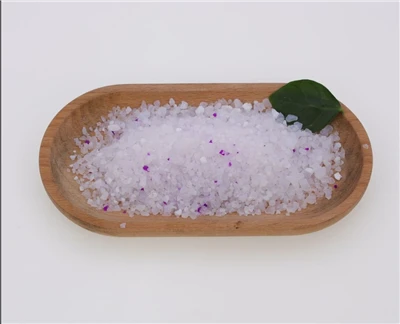
If you’re a retailer or pet care business looking to stock high-quality, properly formulated mixed cat litter, get in touch with us to talk about wholesale pricing, minimum orders, and how we can tailor our litters to fit your store’s needs. We’re here to help you provide the best for your customers and their cats.
Bentonite Cat Litter References
- American Society for Testing and Materials. (2019). Standard Practice for Storage of Animal Bedding and Litter Products.
- Journal of Feline Medicine and Surgery. (2021). Effect of Humidity on Cat Litter Clumping Performance and Odor Retention.
- Humane Society of the United States. (2020). Pet Care Guide: Litter Box Maintenance and Product Storage.
- International Pet Food Association. (2022). Best Practices for Bulk Storage of Pet Bedding Products.
Qingdao Ray Pet Products Co., Ltd.
As one of the most professional mixed cat litter manufacturers in China, we have world-leading production equipment and strong manufacturing capabilities. Please feel free to buy bulk high quality mixed cat litter made in China here from our factory. Good service and low price are available.
Address: B401 Zhongtie Qingdao Plaza No.385, Dunhua Road, Qingdao, Shandong Province, China
E-mail: Karen.liu@ray-pet.com
WebSite: https://www.ray-pet.com/
