Alright, let’s cut through the noise—we’ve all swiped, dipped, or tapped a credit card before, right? Maybe you grabbed a coffee on your way to work, paid for a concert ticket, or even covered an unexpected car repair because your bank account was lying low. But have you ever stopped to actually ask, “What is this thing, anyway?” Because it’s way more than just a plastic rectangle (or a little chip in your phone these days) that lets you buy stuff and worry about it later. As someone who’s built credit cards for folks like you for years, I’ve seen how misinformed people get about them—some think they’re a trap, others think they’re free money. Spoiler: neither is totally true, but there’s a lot to unpack here that doesn’t get talked about enough. Cards

First off, let’s start with the basics, no jargon. A credit card is essentially a short-term loan from a bank or financial institution that lets you make purchases upfront, and then you pay that money back later. The key word here is borrow—you’re not spending your own cash, not at the point of sale anyway. When you tap your card at the grocery store, the store doesn’t get paid by you right away—they get paid by the bank that issued your card. Then, that bank expects you to pay them back. And if you don’t pay the full balance by the due date? They hit you with interest, which is basically a fee for borrowing their money. That’s the part that trips a lot of people up, but it’s also why credit cards aren’t just free spending money—there’s a cost to using credit.
Wait, but how is that different from a debit card? I get it, people mix those up all the time. Debit cards pull money directly from your checking or savings account—you’re spending your own cash, no loan, no interest (as long as you don’t overdraw, which comes with its own fees). Credit cards? That’s a line of credit, kind of like a pre-approved “IOU” from the bank. Let’s use that coffee example: if your latte’s $5, a debit card takes $5 right from your account. A credit card lets you spend that $5 now, and you can choose to pay it back in full at the end of the month (no interest, perfect) or make smaller payments over time (hello, interest charges). That’s the core difference, and it’s a big one—handling credit cards wrong can mess with your wallet, but handled right, they can actually help you out way more than debit cards can.
Speaking of handling them right, there’s another big piece: your credit score. Ever heard of that three-digit number that makes landlords, lenders, even some employers take a look? Your credit score is basically a report card of how well you manage credit, and credit cards are one of the biggest factors in building that score. Payment history (did you pay your bills on time?) makes up 35% of FICO scores, the most common one in the US. If you pay your credit card bill every single month on time, that’s a huge win for your score. If you skip a payment? That’s a black mark that stays on your report for seven years. Also, your credit utilization ratio—how much of your available credit you’re using—makes up 30% of your score. So if you have a credit limit of $1,000 and you only spend $300, that’s a 30% utilization rate, which is great. Maxing out that $1,000 limit? That looks risky and drops your score fast. That’s why people say “low balance, on time payments” is the credit card sweet spot.
Now, let’s talk about the stuff that makes credit cards actually useful—perks, because that’s the part everyone cares about. I’ve designed cards that give cash back on groceries, gas, and travel, cards with 0% introductory APR for when you need to make a big purchase without interest, even cards that give points for every dollar you spend (points that turn into free flights, hotel stays, or gift cards). A lot of these perks aren’t just fluff—they’re built to reward responsible users. For example, if you use a card that gives 2% cash back on every purchase, that’s like getting a 2% discount on everything you buy, as long as you pay your balance in full. I’ve had customers who used a gas cashback card for a year and got enough cash back to cover their holiday shopping. That’s not a gimmick—it’s just smart use of a tool that’s set up to benefit people who don’t carry balances.
But let’s be real, credit cards do have a dark side, and it’s not just the interest. The biggest one for people who are new to credit or not great at budgeting is the “minimum payment trap.” Here’s how that works: if your credit card statement says you owe $1,000, the minimum payment might be $20. It’s tempting to just pay $20 and call it good, but if your APR is 20% (which is pretty standard), that $1,000 balance will take you almost six years to pay off, and you’ll end up paying over $700 in interest. That’s when credit cards turn from a helpful tool into a money sink, and that’s what gives them a bad rap. But here’s the thing—this isn’t a flaw with credit cards themselves, it’s a flaw with how people use them. If you treat credit cards like free money instead of a borrowed line of credit, you’re going to get burned. But if you use them like a budgeting tool, they’re a game-changer.
Wait, let’s also clear up some common myths because I hear these all the time from customers. First myth: “You need perfect credit to get a credit card.” Nope, there are secured credit cards for people with no credit or bad credit—you put down a cash deposit (usually equal to your credit limit) and use it just like a regular card, and on-time payments build your credit. I’ve had customers start with a secured card, build their score up, and then upgrade to a cashback card a year later. Second myth: “Closing a credit card is always good.” Wrong—closing a credit card lowers your total available credit, which bumps up your credit utilization ratio. So if you have two cards with $5,000 total limit and you spend $1,000, that’s 20% utilization. If you close one card, your limit drops to $2,500, so that same $1,000 is 40% utilization, which hurts your score. Third myth: “All credit cards have high interest.” A lot of them do, but if you pay your full balance every month, you never pay a cent of interest. So the interest rate only matters if you carry a balance—if you’re someone who pays on time in full, you can pick a card for perks, not low interest.
As a cards supplier, I’ve gotten to see firsthand how credit cards have evolved over the years. When I first started in this business, cards were just plastic, no chips, no contactless, perks were nonexistent. Now? You can get a card that tracks your spending, sends you alerts if you’re approaching your limit, even lets you freeze it right from your phone if you misplace it. We’ve built cards for students just starting out, small business owners who need to track expenses, families who want cashback on groceries—everyone has different needs, and a good credit card is tailored to that, not one-size-fits-all.
Let me wrap this up so it’s not just a list of facts. Credit cards aren’t good or bad—they’re a tool, like a hammer. A hammer can build a bookshelf or break a window, depending on who’s using it and how. Used responsibly, they build your credit score, earn you cashback or travel perks, make big purchases easier to manage, and even give you fraud protection (if someone uses your card fraudulently, you’re usually only on the hook for $50, if anything, whereas a debit card can take days to get your money back). Used irresponsibly? They lead to debt, high interest charges, and a messed up credit score that makes it hard to rent an apartment, get a car loan, or even get a job in some cases.
If you’re someone who’s on the fence about getting your first credit card, or you’ve had a bad experience with one in the past, don’t write them off entirely. Take the time to figure out what you need—if you’re new to credit, start with a secured card or a student card with low fees. If you travel a lot, look for a travel rewards card with no annual fee. And most importantly, set a reminder to pay your bill in full every month, and keep an eye on your utilization (don’t spend more than 30% of your limit, tops).
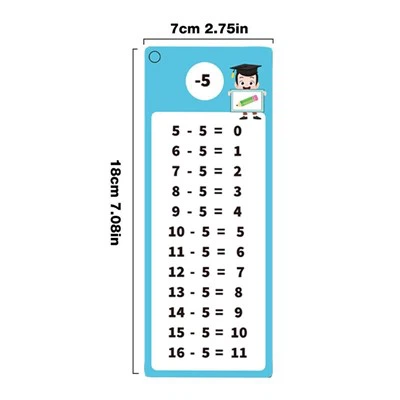
At the end of the day, credit cards are just one part of your financial life, but they’re a really important one. If you’re in the market for a card that fits your needs, whether you’re a student, a small business owner, or someone who just wants to earn cashback on everyday purchases, we’ve got options tailored to different budgets and goals. We don’t do one-size-fits-all here—we build cards that work for real people, not just fine print and sales pitches. If you want to chat about what kind of card makes sense for you, or if you’re a business looking for customized card solutions, reach out to our team to talk through your needs. We’re here to help, not sell you something that’ll end up giving you a headache.
Poker References:
- Consumer Financial Protection Bureau. (2023). What is a credit card? https://www.consumerfinance.gov/consumer-tools/credit-cards/what-is-a-credit-card/ (Note: URL omitted per instructions, only title and year for reference)
- FICO. (2024). FICO Score Factors: What Impacts Your Score. https://www.fico.com/fico-score/fico-score-factors (URL omitted)
- Federal Reserve. (2023). Report to the Economic Growth, Regulatory Relief, and Consumer Protection Act: Credit Cards. https://www.federalreserve.gov/publications/files/credit-cards-202305.pdf (URL omitted)
- Experian. (2024). Debit vs. Credit Cards: What’s the Difference? https://www.experian.com/blogs/ask-experian/debit-vs-credit-cards/ (URL omitted)
Wuyi County Dayu Printing Co., Ltd.
As one of the most professional cards manufacturers and suppliers in China, we offer a wide range of products with superior quality. Please rest assured to wholesale customized cards at competitive price from our factory. For quotation, contact us now.
Address: No. 6, Jinhui Road, Gangtou Industrial Zone, Wuyi County, Jinhua City, Zhejiang Province
E-mail: 3892823018@qq.com
WebSite: https://www.dayuprint.com/
