As a Combi Seal supplier, I get this question all the time from plant engineers, maintenance supervisors, and even OEM reps walking through our warehouse: “Can a Combi Seal be used in power generation equipment?” The short answer is yes, but I’ve learned over 12 years in this industry that it’s not a one-size-fits-all yes—nor is it a no, which is what some older technical manuals would have you believe. I’ve spent countless hours on-site at coal-fired power plants, natural gas turbines, and even a few small-scale geothermal setups, and I’ve seen Combi Seals fix problems that other seal types couldn’t touch, while also seeing them fail when misapplied. This blog is based on those on-the-ground experiences, not just catalog specs, because when you’re keeping a power plant online, a seal isn’t just a component—it’s a part of uptime. Combi Seal

First, let’s ground this in what a Combi Seal actually is, because a lot of folks mix it up with basic rubber O-rings or even wiper seals. A Combi Seal (short for “combination seal”) is a two-part unit: a nitrile rubber (or sometimes fluorocarbon for high heat) energizer that acts as the primary seal against fluid pressure, and a hard extruded PTFE (polytetrafluoroethylene) jacket that rides against the shaft. The jacket is the game-changer here—PTFE is self-lubricating, so it doesn’t wear out from shaft movement the way a rubber wiper does, and it holds up to the kind of contaminants that power equipment throws at it: fly ash, boiler scale, and the occasional water mist from cooling systems. Basic O-rings can’t handle that mix of dynamic movement and environmental grit, and single-lip seals often leak when the pressure spikes that are standard in power generation.
Now, let’s talk about the specific pain points in power generation where Combi Seals shine. Let’s start with steam turbine shaft seals—one of the most underrated, high-stakes parts of a thermal power plant. Steam turbines spin at 3,000 RPM (for 50Hz grids) or 3,600 RPM (for 60Hz), and the shafts run at temperatures between 150°C and 550°C, depending on the stage. A few years back, a plant manager at a midwestern coal facility told me his team was replacing standard labyrinth seals every 6 months because they were leaking steam into the turbine housing, wasting fuel and raising emissions. We supplied Combi Seals designed for high-temperature steam duty, and two years later, they still hadn’t replaced a single one. The reason? The PTFE jacket conforms to small shaft irregularities that labyrinth seals can’t, so it seals at lower pressures but holds up at peak steam loads. Also, unlike carbon rings (another common turbine seal), Combi Seals don’t require constant lubrication—something that’s a huge win for plants cutting back on water and chemical use to meet EPA rules.
Next up: gearboxes in wind turbine power trains, which have their own unique set of stressors. Wind turbines operate in extreme weather: -40°C in northern climates, 40°C in deserts, and they deal with constant shock loads from wind gusts. Basic oil seals (also called lip seals) fail here because the rubber lip wears out quickly in cold or dries out in heat. I had a conversation with a wind farm maintenance lead in Alberta last year who was dealing with 15-20 gearbox seal failures a year, costing $20k per seal replacement, plus the lost revenue from a turbine being offline for 3 days each time. We switched them to low-temperature Combi Seals with a silicone energizer (instead of standard nitrile) to handle the cold, and they dropped their failures to 2 a year. The self-lubricating PTFE jacket meant less friction on the gear shaft, so the seal didn’t wear during start-stop cycles that are common in wind power. That’s a use case no other seal type can touch—you can’t get a lip seal that performs in -40°C and 40°C, but Combi Seals are built for that exact swing.
Then there’s the catch: Combi Seals aren’t a fit for every part of power generation. I see too many people grab a Combi Seal off our shelf and stick it in a hydraulic cylinder for a boiler feed pump, only to have it leak within a month. Why? Boiler feed pumps run at pressures up to 2,000 PSI, and while Combi Seals can handle moderate pressure, their PTFE jacket is softer than metal or ceramic seals, so it can erode if the pressure is too high without a backup. Also, in nuclear power plant primary coolant loops, where the fluid is radioactive and high-purity, Combi Seals need special certification—standard off-the-shelf units have additives that can leach into the coolant, which violates regulatory guidelines. That’s why we don’t sell Combi Seals for nuclear primary loops without custom engineering, something I always make a point to tell customers when they ask.
Another common mistake: sizing. Power generation equipment often has custom shaft sizes, and Combi Seals rely on a precise interference fit to work. Last year, a plant in Texas ordered standard-size Combi Seals for their cooling water pumps, but the shaft had a 0.2mm taper from manufacturing wear. The standard seal didn’t conform to the taper, so it leaked. We worked with their maintenance team to machine a small step on the shaft and supply a slightly oversized Combi Seal that adjusted to the taper, and that fixed the problem. That’s another reason I always emphasize that Combi Seals require a bit more attention to application details than a basic O-ring—they’re engineered for specific dynamic loads, so one size doesn’t fit all even when the part looks similar.
Now, let’s talk about long-term value, which is why so many power plants are switching to Combi Seals. I can’t count the number of times a customer has told me that even though a Combi Seal is 2-3x more expensive than a standard lip seal, it cuts their total seal-related maintenance costs by 70% or more. For a 500MW coal plant, that adds up to hundreds of thousands of dollars a year in avoided downtime, fuel waste, and replacement labor. I remember one plant that switched all their pump and gearbox seals to Combi Seals in 2018—last year, their maintenance team said they spent 90% less time on seal replacements, and they were able to reallocate two full-time technicians to other projects that needed more attention. That’s the real value in power generation: uptime is everything, and a seal that lasts 5x longer doesn’t just save money—it keeps the grid running for thousands of customers.
Wait, let’s also address a common technical question I get: how do Combi Seals compare to other seal types in power equipment? Labyrinth seals are good for high-pressure steam, but they’re bulky, don’t seal well at low pressures, and can be damaged by vibration. Lip seals are cheap, but they wear out fast in dynamic environments. Metal seals are durable, but they’re rigid and don’t conform to shaft imperfections, so they leak more in real-world use. Combi Seals hit that middle sweet spot: they’re flexible enough to handle shaft movement and minor wear, durable enough for high heat and pressure, and self-lubricating so they don’t require extra maintenance. That’s why they’re the go-to for many OEMs now when they’re designing new turbines and wind power trains—they know the Combi Seal will hold up for the 10-year design life of the equipment, not just 12 months.
I also want to mention the impact of regulatory changes here. Power plants are under more pressure than ever to reduce emissions and cut water usage. Combi Seals help with both: less steam leakage means less fuel burned, and less oil leakage means less need to flush and replace cooling water with contaminated fluid. I worked with a natural gas plant in Oklahoma in 2021 that was cited for excessive emissions from steam leaks; switching to Combi Seals on their turbine shafts cut their steam emissions by 22% in the first quarter, which helped them avoid a $150k EPA fine. That’s not just a maintenance fix—it’s a compliance fix, and that’s a role Combi Seals are perfectly suited for.
Now, let’s get back to that original question: can a Combi Seal be used in power generation equipment? The answer is a qualified yes—qualified because you have to pick the right grade, size, and configuration for the specific application, and you have to account for the unique stressors of power equipment (temperature swings, vibration, contaminants, pressure spikes). I’ve seen them work in steam turbines, wind gearboxes, hydraulic pumps, and even some small-scale biomass generators. I’ve also seen them fail when someone tried to use a standard seal in a high-pressure boiler feed pump or a nuclear loop without the right certifications. That’s why as a supplier, I don’t just ship Combi Seals—I work with customers to map out their application, test the fit, and recommend the right grade to make sure it works.
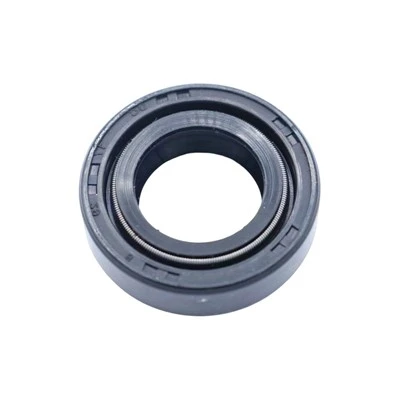
If you’re a plant engineer, maintenance supervisor, or OEM rep reading this and dealing with seal-related downtime in your power equipment, I can help. We’ve supplied Combi Seals to over 200 power facilities across North America, and we’ve got the on-site experience to know what works in coal, natural gas, wind, and geothermal setups. Whether you’re dealing with leaking turbine shafts, failing gearbox seals, or just looking to cut your maintenance costs, we can walk through your specific needs and provide a custom solution that fits. Contact us to discuss your power generation seal requirements and find out how Combi Seals can help improve your uptime.
Piston Seal References
- Society of Tribologists and Lubrication Engineers. (2020). Seal Selection Guidelines for Power Generation Equipment. STLE Press.
- International Energy Agency. (2022). Wind Turbine Maintenance Cost Reduction Strategies. IEA Wind Technology Collaboration Programme.
- U.S. Environmental Protection Agency. (2021). Boiler and Turbine Emission Control for Thermal Power Plants. EPA Office of Air and Radiation.
- Parker Hannifin Corporation. (2019). Combi Seal Application Handbook for Industrial and Power Equipment. Parker Seal Group.
Hebei Jinwo Machinery Technology Co., Ltd.
Hebei Jinwo Machinery Technology Co., Ltd. is one of the most professional combi seal manufacturers and suppliers in China, featured by quality products and good price. Welcome to buy bulk advanced combi seal in stock here and get pricelist from our factory. We also accept customized orders.
Address: Room 2109, Tower A, Meidong International, No.16 Guang’an Avenue, Chang’an District, Shijiazhuang City, Hebei Province, China
E-mail: info@jinwoseal.com
WebSite: https://www.jinwoseal.com/
