As a supplier of plastic toy parts, I’ve witnessed firsthand the charm and popularity of these colorful components in the toy industry. Plastic toy parts are ubiquitous, found in countless toys across the globe, captivating the imaginations of children and adults alike. However, behind their playful exteriors, there lie potential hazards that we, as industry players, must acknowledge and address. Plastic Toy Parts

Chemical Exposure
One of the most significant concerns associated with plastic toy parts is the presence of harmful chemicals. Many plastics used in toy manufacturing contain additives such as phthalates, bisphenol A (BPA), and lead. Phthalates are commonly used to make plastics more flexible and durable. However, studies have shown that these chemicals can leach out of plastic products, especially when they come into contact with heat, water, or fatty substances. Once ingested, phthalates can disrupt the endocrine system, potentially leading to developmental and reproductive problems in children.
BPA is another chemical that has raised alarm bells in recent years. It is commonly used in the production of polycarbonate plastics and epoxy resins, which are found in a variety of toy parts, including bottles, cups, and electronic devices. BPA has been linked to a range of health issues, including hormonal imbalances, breast and prostate cancer, and behavioral problems in children.
Lead is a heavy metal that can be found in the pigments used to color plastic toy parts. Even small amounts of lead exposure can have serious health consequences, particularly for young children. Lead can damage the nervous system, impair cognitive development, and cause learning disabilities.
Choking Hazards
Another major hazard associated with plastic toy parts is the risk of choking. Small plastic parts, such as buttons, beads, and eyes, can easily become detached from toys and pose a choking hazard to young children. According to the Consumer Product Safety Commission (CPSC), choking is the leading cause of nonfatal injury and death in children under the age of three.
To reduce the risk of choking, toy manufacturers are required to follow strict safety standards. These standards specify the minimum size of toy parts and require that they be securely attached to the toy. However, despite these regulations, choking hazards still exist. Parents and caregivers should always supervise young children when they are playing with toys and check toys regularly for loose or broken parts.
Ingestion and Digestive Problems
In addition to choking hazards, plastic toy parts can also pose a risk of ingestion. Children may put small plastic parts in their mouths, either out of curiosity or as a form of self-soothing. If these parts are swallowed, they can cause a variety of digestive problems, including blockages, perforations, and infections.
Some plastic toy parts may also contain sharp edges or points that can cause cuts or punctures in the mouth, throat, or digestive tract. These injuries can be painful and may require medical attention.
Allergic Reactions
Some children may be allergic to the materials used in plastic toy parts. Common allergens include latex, rubber, and certain types of plastics. Allergic reactions can range from mild skin rashes and itching to more severe symptoms such as difficulty breathing, swelling of the face and throat, and anaphylaxis.
To minimize the risk of allergic reactions, parents and caregivers should be aware of their child’s allergies and avoid purchasing toys that contain known allergens. Toy manufacturers should also clearly label their products to indicate the presence of any potential allergens.
Environmental Impact
The production and disposal of plastic toy parts also have a significant environmental impact. Plastic is a non-renewable resource that is derived from fossil fuels. The production of plastic requires a large amount of energy and generates significant greenhouse gas emissions. In addition, plastic toy parts are often discarded after a short period of use, contributing to the growing problem of plastic pollution.
To address these environmental concerns, toy manufacturers are increasingly exploring the use of sustainable materials, such as biodegradable plastics and recycled materials. These materials offer a more environmentally friendly alternative to traditional plastics and can help reduce the environmental impact of plastic toy parts.
Addressing the Hazards
As a supplier of plastic toy parts, I am committed to ensuring the safety and quality of our products. We work closely with our customers to understand their specific needs and requirements and to develop innovative solutions that meet the highest safety standards.
To address the issue of chemical exposure, we use only high-quality raw materials that are free from harmful chemicals. We also conduct regular testing on our products to ensure that they meet all relevant safety regulations.
To reduce the risk of choking hazards, we carefully design our toy parts to ensure that they are securely attached to the toy and that they meet the minimum size requirements specified by the CPSC. We also provide clear instructions and warnings on our products to help parents and caregivers use them safely.
To minimize the risk of ingestion and digestive problems, we use only non-toxic materials in our toy parts and ensure that they do not have any sharp edges or points. We also provide information on our products about the potential risks of ingestion and how to prevent it.
To address the issue of allergic reactions, we clearly label our products to indicate the presence of any potential allergens and work with our customers to develop products that are suitable for children with allergies.
Finally, to minimize the environmental impact of our products, we are committed to using sustainable materials and reducing our energy consumption and waste generation. We also encourage our customers to recycle our products at the end of their useful life.
Conclusion
In conclusion, while plastic toy parts offer many benefits, they also pose a number of potential hazards. As a supplier of plastic toy parts, it is our responsibility to ensure the safety and quality of our products and to address these hazards in a proactive manner. By using high-quality raw materials, conducting regular testing, designing our products to meet safety standards, and promoting the use of sustainable materials, we can help reduce the risks associated with plastic toy parts and ensure that children can play with our products safely.
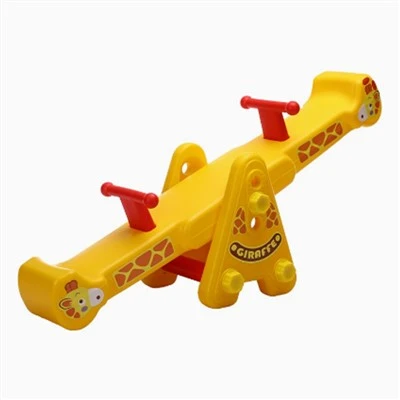
If you are interested in purchasing high-quality plastic toy parts that meet the highest safety standards, please contact us to discuss your specific needs and requirements. We look forward to working with you to develop innovative solutions that will help you create safe and engaging toys for children.
Plastic Kitchen Items References
- Consumer Product Safety Commission (CPSC). (2023). Choking Hazards from Toys. Retrieved from [CPSC website].
- World Health Organization (WHO). (2022). Chemicals in Toys. Retrieved from [WHO website].
- American Academy of Pediatrics (AAP). (2021). Environmental Hazards in Toys. Retrieved from [AAP website].
Yongkang Shunjiang Plastic Products Co., Ltd.
As one of the most professional plastic toy parts manufacturers and suppliers in China, we offer a wide range of products with superior quality. Please feel free to wholesale bulk customized plastic toy parts from our factory. Also, pricelist is available.
Address: Kangzhuang Road, Xicheng Subdistrict, Yongkang City, Zhejiang Province, China
E-mail: 15158911623@163.com
WebSite: https://www.shunjiangplas.com/
