If you’ve ever worked with electrical transformers, motors, or even big power generators, you’ve probably heard of silicon steel—sometimes called electrical steel—coils and sheets. As someone who’s been in the silicon steel coils and sheets supply game for 12 years, I get asked a ton of questions: “Why do your prices shift so much?” “What makes one batch different from another?” And lately, more and more, people want to know how the whole production thing impacts energy use—because that’s not just a sustainability check; it’s directly tied to our bottom line, your project costs, and how efficient the final product will be when it’s in use. Let’s break this down, like I’d chat with a regular at the shop, no fancy jargon, no stuffy presentations. Silicon Steel Coils and Sheets
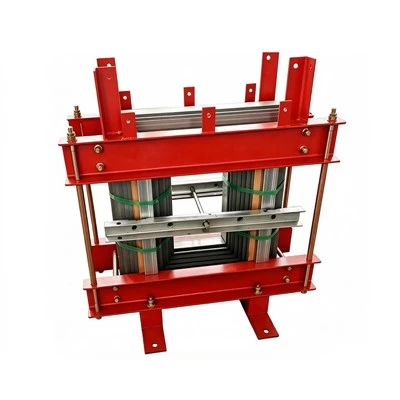
First, let’s start with a quick reality check: silicon steel isn’t your average cold-rolled steel. We add 2-4.5% silicon to regular carbon steel, right? That’s what makes it less magnetic waste when electricity flows through it—perfect for power stuff. But to get that exact silicon mix and shape it into tight, consistent coils or flat sheets for transformers, the production process is a multi-step energy hog—no way around it. Every choice we make, from melting the initial metal to the final quality check, eats up electricity, natural gas, even water, and every single step adds up.
Let’s start with the biggest energy drain, hands down: the melting and refining stage. Most of the silicon steel we process comes from scrap steel, some from pig iron, but either way, we’re heating metal to over 1,500°C (that’s 2,700°F for folks who don’t do Celsius, and yeah, it’s crazy hot) to get the right chemical mix. I’ve got 4 furnaces on my floor—three electric arc furnaces (EAFs) and one basic oxygen furnace (BOF), don’t worry, I’ll explain the difference quick. EAFs run on electricity, use scrap metal, which is more sustainable, but the electricity itself—if it’s from coal, that’s high energy cost, if it’s natural gas? Still pricey. BOFs run on oxygen, use pig iron, but they need way more heat to melt the pig iron, so natural gas bills here are through the roof. Last winter, when natural gas spiked, that stage alone added 15% to our monthly energy costs—costs that don’t just disappear; they get passed on to you, the customer.
Wait, it’s not just melting. Once the metal’s melted, we have to refine it to get that exact silicon level—too little, and the steel is too magnetic wastey; too much, and it gets super brittle, impossible to work with. Refining uses ladle furnaces, which heat the metal even more, and we add things like argon to stir it (keeps impurities out, makes the final product better) and desulfurizers. That’s another 10% of our total energy use right there. I’ve seen plants cut corners here—skip a refining step to save cash, but then their coils are full of defects, which means more rework later, which is more energy. So it’s a balance: short-term energy savings vs. long-term waste.
Next up, hot rolling. This is where we turn the solid metal slab into a big, thick roll—like, the length of a football field, sometimes. We heat the slab to 1,200°C first, that’s another natural gas hit, then feed it through a series of heavy rollers to squeeze it down to the thickness we need (usually between 1mm and 3mm for silicon steel). Hot rolling uses huge motors for those rollers—we’re talking 5,000 HP motors per stand, and if you’ve ever seen a rolling mill work, you know they don’t run at half speed. They’re at full blast 90% of the time to get the metal to the right thickness fast, which saves energy than cranking up and down. But even with that, hot rolling is like 25% of total production energy. The catch here is: if we roll too slow, the metal cools too much, we have to reheat it, wasting more energy. If we roll too fast, we get uneven thickness, which means bad coils. Again, balance is everything.
Then comes cold rolling—this is the step that makes silicon steel sheets super smooth, consistent, which is exactly what you want for transformer cores. After hot rolling, the coil’s thick, has a scale on it from the heat, so we pickle it (acid wash to remove the scale) first, then roll it again, this time at room temp, to get it to the final thinness (sometimes as thin as 0.2mm). Cold rolling is super energy-intensive because those rollers are way heavier, and squeezing the thin metal takes way more force than hot rolling. We use electric motors here, and last year, I had to upgrade a bunch of old motors to high-efficiency ones—cost me $200k upfront, but I saved about 12% on cold rolling energy, which adds up over time. Also, cold rolling makes the steel harder and more brittle, so we have to anneal it (heat it up slowly to soften it) in between passes. Those annealing furnaces? They’re massive, run 24/7, and use a ton of natural gas or electricity. Skipping intermediate anneals would save energy, but the steel would be too brittle to work with, so the coils would crack when you unroll them, which is a huge waste—we’d have to scrap the whole thing, which is way more costly and energy-heavy than doing the anneal right.
Wait, I almost forgot the big one for performance: grain orientation. Most high-grade silicon steel is grain-oriented (GO) because it’s way more efficient for transformers—magnetic energy flows in one direction, so almost no waste. To get that grain orientation, we have to do a final annealing step in a decarburization furnace, then a high-temperature anneal at over 1,200°C. That’s not just heating metal; it’s controlling the atmosphere inside the furnace—pure nitrogen and hydrogen, so the steel doesn’t oxidize. That furnace uses 30% of our total production energy. I once had a competitor tell me they skipped the high-temperature anneal to save energy—their steel was cheap, but their transformers ran 10% hotter, used more electricity over their lifespan, so customers ended up paying way more long-term. Short-term energy savings vs. long-term value—big difference.
Then there’s all the other stuff that adds up, that people don’t talk about: cutting coils to size, testing, packaging. We have slitting lines to cut big coils into smaller widths for your project, those slitting blades need sharp motors, and if we have to cut extra material because of defects, that’s wasted energy too. Testing: we test every batch for magnetic properties, thickness, surface defects, that uses lab equipment and electricity. Even the HVAC in the plant—running furnaces makes the shop sweltering in summer, so we need AC, which is another energy drain. It’s not just the production steps; it’s the whole plant.
Now, here’s the kicker: all this energy use directly affects you, the customer. Let’s do a quick example. Say you need 10 tons of 0.5mm grain-oriented silicon steel coils. If we use old, inefficient furnaces, our energy cost for that batch is $800. If we use new, efficient equipment, that cost drops to $550. But that’s just the production cost—when you use that steel in a transformer, the energy savings add up way more. A good GO silicon steel transformer uses 2% less energy than a lower-grade one, so over its 25-year lifespan, that’s thousands of dollars in electricity saved. So when we invest in energy-efficient production, it’s not just good for the planet—it’s good for your bottom line too.
I get that you’re here because you need reliable, high-quality silicon steel coils and sheets at a fair price. The last thing you want is to deal with defective material that causes delays, or product that’s inefficient and costs you more down the line. That’s why at my shop, we balance energy efficiency with quality at every step. We upgraded our EAFs last year, switched to high-efficiency annealing furnaces, and track every single kilowatt-hour we use per batch to make sure we’re not wasting energy or cutting corners. Sure, that might mean our prices are a little higher than the cheap guys, but our product lasts longer, works better, and you won’t have to deal with the headaches of reworked or defective material.
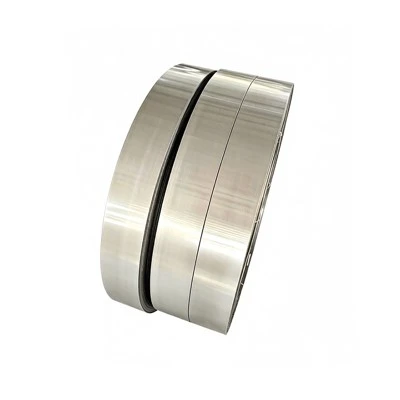
If you’re working on a transformer project, motor design, or any other application that needs silicon steel, I can walk you through the different grades, the production tradeoffs, and help you pick the right material that fits your needs and budget. No pushy sales stuff, no fine print—just straight talk, like how I’d talk to other guys in the industry. Just reach out, and we can chat about your project, send you a sample, and work out a deal that works for both of us.
Silicon Steel Coils and Sheets References
- N. P. Goss, “Magnetic properties of silicon steel,” Journal of Applied Physics, vol. 18, no. 2, pp. 201–215, 1947.
- International Energy Agency, “The Future of Silicon Steel in Power Grids,” IEA Energy Technology Perspectives, 2021.
- American Iron and Steel Institute, “Energy Efficiency in Electrical Steel Production,” AISI Technical Report, 2022.
- T. Nakamura et al., “Energy Consumption Reduction in Grain-Oriented Silicon Steel Annealing,” Iron and Steel Engineer, vol. 98, no. 4, pp. 34–41, 2021.
Wuxi Zhongpu Electric Co., Ltd.
As one of the most professional silicon steel coils and sheets manufacturers and suppliers in China, we also support customized service. Please feel free to wholesale bulk high quality silicon steel coils and sheets made in China here from our factory. Welcome to contact us for pricelist.
Address: No.52 Jiankang Road, Donggang Town, Xishan District, Wuxi City, Jiangsu Province
E-mail: 13585006135@163.com
WebSite: https://www.zhongpuelectric.com/
