If you’ve ever stood on a construction site watching a crawler excavator move mountains of dirt, dig perfect foundation trenches in minutes, or load dump trucks like they’re playing a carefully coordinated game, you might’ve wondered what it takes to operate one of these powerful machines. As someone who’s supplied crawler excavators to construction teams across North America for over 12 years, I can tell you it’s not just about sitting in the cabin and moving levers safely—it’s about balancing precision, power, and patience to get every job done right. Whether you’re a new operator learning the ropes or a veteran looking to refresh your skills, this guide covers the core steps, best practices, and common mistakes to avoid that I’ve seen keep our customers productive (and safe) for years. Crawler Excavator
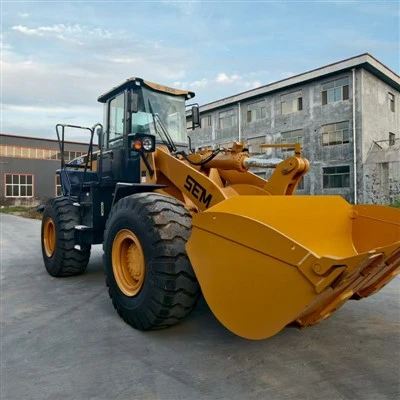
Before you even turn the key, there’s non-negotiable prep work that separates a smooth day on site from a frustrating, delayed one. Far too many new operators jump straight into starting the engine, skipping checks that could lead to breakdowns or even accidents later. First, do a full walkaround of the machine. Start at the tracks—crawler excavators rely entirely on their undercarriage for stability and traction, so you need to make sure each track pad is tight, no links are broken or bent, and there’s no debris like mud, rocks, or construction wire wrapped around the sprockets. Wrapped debris might sound minor, but it can throw the track out of alignment mid-job, leading to lost time and costly repairs. Next, check the hydraulic hoses and boom, arm, and bucket cylinders. Look for any small leaks, bulges, or frayed rubber—hydraulic fluid is the machine’s blood, and even a tiny leak can lead to total hydraulic failure if left unaddressed. Don’t forget to inspect the bucket itself: check the teeth for wear or damage, and make sure the bucket pins are tight, so it doesn’t slip off mid-lift.
Once you’re done outside, head to the cabin for pre-start checks. Every modern crawler excavator has a control panel with gauges and warning lights—don’t just glance at them, verify each one. Check the engine oil pressure, coolant temperature, hydraulic fluid level, and fuel gauge. For newer models, you’ll also want to test the auxiliary hydraulic controls if you’re planning to use attachments like breakers or grapples, since those require specific pressure settings. Finally, adjust your seat and mirrors, and fasten your seatbelt. It sounds basic, but a secure seat and clear visibility are non-negotiable for maintaining control, especially on uneven terrain.
Now you’re ready to start the engine, but don’t just turn the key and go. All modern excavators have a safety interlock system that requires the boom, arm, and bucket to be in a neutral, resting position before starting—usually, that means the bucket is on the ground, the boom is low, and all control levers are in the “lock” or neutral position. Once you start the engine, let it idle for 3 to 5 minutes, especially in cold weather. Running the engine at full throttle right away causes unnecessary wear on the hydraulic system, and gives you time to notice any warning lights that pop up. If the engine has a cold start mode, use it for the first 10 to 15 minutes of operation to keep the oil flowing smoothly.
Once the engine is warmed up and you’ve confirmed all systems are working, it’s time to get moving. The two primary control systems for a crawler excavator are the levers in the cabin, usually split between the left and right hand, and the track controls. Most North American models follow the standard SAE control pattern: the left lever controls swing left/right and boom up/down, and the right lever controls arm in/out and bucket curl/dump. If you’re used to other patterns, like the ISO pattern, make sure to confirm with your machine’s manual before you start—mixing patterns is a common cause of operator error.
First, get a feel for the tracks. Unlike wheeled excavators, crawler models don’t steer like a car—they turn by moving one track forward while the other stays still or moves backward. To move forward, push both track pedals (usually on the floor of the cabin) forward; to move backward, pull both pedals back. To turn left, push the right pedal forward and leave the left pedal in neutral, or pull the left pedal back to spin in place, a maneuver called a “neutral turn” that’s perfect for tight job sites. Practice moving forward and backward in a open, flat area first—don’t head straight to the dig site until you can control the tracks smoothly without lurching.
Next, master the boom, arm, and bucket movements, which require far more precision than moving the tracks. The boom controls how high you can lift the arm and bucket, the arm extends or retracts to dig or pull material, and the bucket curls to scoop or dump. A common mistake new operators make is pushing the levers all the way to their stop, which leads to jerky movements and overshooting their target. Instead, use small, gradual movements: if you need to raise the boom, push the left lever up halfway, not all the way, to maintain control. For digging, start with the bucket curled partially, lower the boom to lower the bucket teeth into the ground, then slightly extend the arm to pull the bucket full of dirt. Once the bucket is full, retract the arm slightly, raise the boom, and swing the machine to the dump point—usually a dump truck or a pile of material—before you curl the bucket to dump.
Stability is the single most important factor for safe, efficient excavator operation, and it starts with the tracks. Always position the machine so the tracks are parallel to the work face, if possible, to distribute the machine’s weight evenly. On uneven ground, position the tracks so the long axis of the machine is parallel to the slope, never perpendicular—perpendicular positioning makes the excavator prone to tipping if it’s lifting heavy material. If you’re working on soft ground, use track pads (if your machine has them) to distribute weight and avoid sinking, or place wooden planks under the tracks for extra stability. Never lift a load that’s heavier than your machine’s rated capacity—each crawler excavator has a load chart, usually posted inside the cabin near the control panel, that lists maximum lift weights at different radii. Ignoring this chart is a leading cause of tip-over accidents, which can be fatal and cause thousands of dollars in damage.
Digging is the bread and butter of any excavator operator’s job, and there’s a science to doing it quickly and cleanly. For foundation trenches or footings, start by marking the dimensions on the ground with spray paint, then dig a test trench to make sure you’re on the right line. Always dig at a slight, inward slope on the sides of the trench—this prevents cave-ins, which are a major OSHA hazard on construction sites. For general digging, don’t try to take too much material at once. A good rule of thumb is to fill the bucket to 90% capacity, not over, to keep the machine balanced and avoid straining the hydraulic system. If you’re working in hard, compacted soil, use the bucket’s side to break up the ground before scooping—trying to dig through hard dirt with the edge of the bucket will wear out your teeth and strain the engine.
When loading material into dump trucks, keep the bucket as low as possible when swinging to avoid hitting the truck or overhead power lines. Always make eye contact with the truck operator before you dump to make sure they’re in position and ready, and never swing over the cab of the truck—this is a common safety violation that can cause serious injury if a piece of material falls. For grading, which is smoothing ground to a specific elevation, use the bucket edge like a big level. Make small passes, adjusting the boom and arm slightly each time, until the ground is the correct grade—this takes practice, but with time you can get it precise enough to avoid having to do extra grading work later.
Even the most experienced operators make mistakes, and I’ve seen these errors lead to downtime, repairs, or injuries. One common mistake is failing to secure the machine at the end of the day. Always lower the bucket all the way to the ground, turn off the engine, and engage the track locks—never leave the boom or arm elevated overnight, as this puts unnecessary pressure on the hydraulic cylinders and can cause leaks. Another mistake is ignoring the machine’s maintenance schedule. Crawler excavators are built to last, but only if you change the hydraulic fluid, replace track pads, and service the engine on time. When we sell a new excavator to a customer, we always include a detailed maintenance checklist, and we find that customers who follow it have 30% fewer breakdowns and last 20% longer than those who skip maintenance.
Weather conditions also play a big role in operation. On rainy days, mud makes tracks slippery, so take smaller, slower movements to avoid sliding. On hot days, monitor the engine temperature closely—overheating is common when the machine is working at full throttle in 90+ degree heat. In winter, let the engine idle longer before operating, and watch for frozen hydraulic lines, which can crack if you move the levers too quickly.
At the end of the day, operating a crawler excavator is a combination of skill, practice, and respect for the machine’s power. It’s not a tool you can master in a day, but with consistent practice, attention to safety, and proper maintenance, you can become a reliable operator who gets jobs done right. As a supplier of crawler excavators, we’ve spent years designing machines that are easy to operate, durable, and safe for teams of all experience levels. If you’re in the market for a new or used crawler excavator, or if you have questions about operation, maintenance, or choosing the right machine for your job, our team is ready to help you find the perfect solution for your needs.
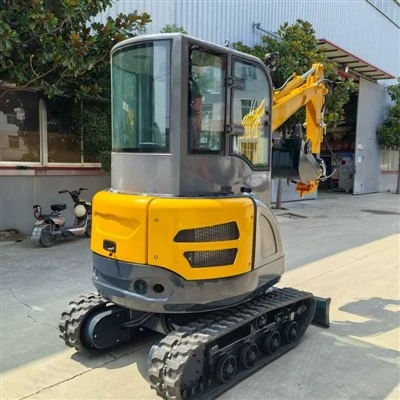
If you’re a contractor or job site manager looking to invest in a crawler excavator that will boost productivity and reliability, don’t hesitate to reach out to our team to discuss your requirements. We work with operators across all job types, from residential construction to large infrastructure projects, and we can help you find a machine that fits your budget and your specific work needs.
Wheel Loader References:
- Caterpillar Inc. (2022). Crawler Excavator Operator Safety and Operation Manual.
- John Deere Construction & Forestry. (2021). Hydraulic Excavator Basic Operation and Maintenance Guide.
- Occupational Safety and Health Administration (OSHA). (2020). Safety and Health Regulations for Construction: Excavation Operations.
- Komatsu Ltd. (2023). Crawler Excavator Undercarriage Maintenance Best Practices.
- Association of Equipment Manufacturers (AEM). (2022). Operator Training Standards for Heavy Construction Equipment.
Shandong Feisite Machinery Co., Ltd.
As one of the most professional crawler excavator manufacturers and suppliers in China, we’re featured by quality products and good service. Please rest assured to buy cheap crawler excavator made in China here and get quotation from our factory. Customized orders are welcome.
Address: 100 meters south of Zengfusi Village, Mihe Town, Qingzhou City, Shandong Province
E-mail: Wpeng19911103@qq.com
WebSite: https://www.shandongfeisite.com/
