As a supplier of scale beer equipment, I’ve spent the last seven years standing next to homebrewers and craft brewery operators who lean on our gear to pull off the crisp, consistent IPAs and rich stouts their customers line up for. The conversation that comes up every single week? “Why is my brew kettle covered in that chalky white gunk?” That gunk is limescale—hard mineral deposits that build up when dissolved calcium, magnesium, and carbonates in water heat and precipitate out. For brewers, scale isn’t just a cosmetic nuisance: it slows heat transfer, clogs valves and lines, and can even throw off the delicate flavor profile of a batch. After troubleshooting systems for hundreds of clients, I’ve got a playbook of science-backed, practical fixes that don’t require replacing your entire setup. Scale Beer Equipment
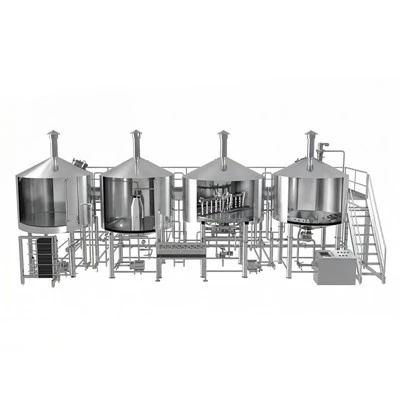
First, let’s get clear on why scale forms specifically in beer equipment, because not all hard water deposits are created equal. Beer is an acidic beverage, but during mashing and boiling, pH levels shift—mash pH hovers around 5.2 to 5.6, while boil pH creeps up to 5.0 to 5.8. That mild acidity eats away at thin layers of scale, turning tiny deposits into grit that can get trapped in grain beds or end up in your finished beer as off-flavors (think metallic, chalky, or even astringent notes that overpower the malt or hops). More critically, scale acts as an insulator. A kettle lined with just 1/8 inch of scale can increase heating time by 25% to 30%, wasting gas, electricity, and precious brew day hours. For a commercial brewery pumping out 1,000 barrels a month, that adds up to thousands in extra utility costs annually. For homebrewers, that extra time cuts into the number of batches you can churn out in a season. Let’s break down the most effective prevention methods, starting with the easiest to implement without any major equipment overhauls.
The first line of defense is monitoring and adjusting your source water—this is the foundation of scale prevention, because hard water is the root cause. Not all water is the same, so start by testing yours. Grab a cheap TDS (Total Dissolved Solids) meter from any hardware store, and send a sample to a local water testing lab to get a full breakdown of calcium, magnesium, bicarbonate, and pH levels. For context, brewing water should have calcium levels between 50 and 150 ppm, magnesium between 10 and 30 ppm, and total alkalinity (which drives scale formation) between 50 and 100 ppm. If your water is above that, you have two simple low-cost options: dilution with distilled or reverse osmosis (RO) water, or adding brewing-specific salts (calcium chloride, calcium sulfate, or gypsum) to adjust mineral levels. Wait, I know what some brewers think—“salts will make my beer taste salty.” But when dosed correctly, they just balance the malt flavor, not add salt. I’ve seen homebrewers with well water that hits 300 ppm of total hardness cut it with 40% distilled water, then add a pinch of calcium chloride, and never deal with scale again. For larger breweries, we often recommend blending municipal water with RO water, since that’s a consistent way to bring alkalinity down without constant testing.
Next, regular, targeted cleaning—this isn’t your standard post-brew rinse, and skipping the extra step is where most brewers run into problems. Scale forms in two main spots: heat exchangers (used for wort chilling) and kettle walls, especially on the bottom where temperatures are highest. A lot of brewers use alkaline cleaners like brewery-grade sodium hydroxide after each batch, but alkaline cleaners don’t dissolve mineral scale—they actually make it worse over time, because the high pH reacts with leftover minerals to create a harder, more tenacious deposit. Instead, we recommend adding an acid wash to your regular cleaning cycle, ideally after every 10 batches or once a month, whichever comes first. The science here is simple: mild food-grade acids like citric acid, phosphoric acid, or lactic acid dissolve limescale by lowering pH to between 2.0 and 3.5, which breaks the chemical bond between the mineral deposits and metal surfaces. I always tell clients not to overdo it—too strong of an acid can etch stainless steel or copper, which ruins your equipment’s finish and creates new places for scale to hide. For example, a 1% citric acid solution (1 oz of citric acid per 5 gallons of water) circulated through a kettle for 30 minutes while warm (not boiling) is the sweet spot. Last year, a microbrewery in Portland switched from alkaline-only cleaning to including monthly acid washes, and their kettle scale buildup dropped by 80%—they stopped having to grind out heavy deposits with wire brushes between batches, saving 2 hours of labor each brew day.
If you’re dealing with persistent scale even after adjusting water and cleaning, you might need to install a scale prevention system tailored to beer equipment, not generic plumbing systems. Generic water softeners that use ion exchange are a common go-to, but I caution against them for brewers. Ion exchange swaps calcium and magnesium ions for sodium ions, which can make beer taste salty, and it doesn’t remove alkalinity—the main driver of scale during brewing. Instead, we recommend two systems that work specifically for brewing: electronic water conditioners (EWCs) and anti-scalant injection systems. EWCs work by emitting a low-frequency electrical signal that changes the structure of mineral ions in water, so when they heat up, they form a soft, powdery precipitate instead of hard, adherent scale. I’ve installed EWCs in 20+ small breweries over the past two years, and their operators report no new heavy scale deposits, with no impact on beer flavor or water mineral content. For larger commercial breweries, anti-scalant injection systems that add small doses of polyphosphates (food-grade, brewers-safe) to water prevent mineral ions from bonding together to form scale. These are calibrated to the exact mineral levels of your source water, so they don’t throw off your beer’s flavor profile—something generic plumbing systems can’t guarantee.
One of the most overlooked prevention steps is proper equipment maintenance, specifically checking for hot spots. On scale beer equipment, hot spots are areas where heat is concentrated more than the rest of the surface—usually around kettle heating elements, the bottom of kettle jackets, or heat exchanger plates. When water hits these hot spots, mineral deposits precipitate faster, leading to thicker scale. The fix? For electric kettles, make sure heating elements are sized correctly for your kettle volume—too small an element will run longer, creating more hot spots, while too large will heat unevenly. For gas-fired kettles, keep your burners calibrated so they distribute heat evenly across the kettle bottom, not just in a small area. Also, replace worn gaskets or seals on heat exchangers—leaks can let air in, which reacts with minerals in wort to form scale. I had a client in Denver who was fighting heavy scale for months, and it turned out their heat exchanger had a faulty gasket, letting hot, mineral-rich water sit in a small dead spot that never got cleaned properly. Replacing the gasket and adjusting their heating schedule fixed the problem entirely.
Let’s talk about common mistakes I see brewers make that lead to unnecessary scale. First, letting water sit in equipment for days between batches. If you’re taking a break from brewing for a week, drain all water from your kettle, lines, and heat exchanger, and leave them open to air to dry. Stagnant water allows minerals to settle and form dense, hard scale that’s much harder to remove than fresh deposits. Second, using abrasive scouring pads or metal brushes to remove existing scale before it causes damage. Abrasives scratch stainless steel, creating tiny crevices where new scale can grow faster. Instead, use a plastic scraper or a nylon bristle brush to remove loose scale before doing an acid wash—this lets the acid penetrate deeper to dissolve remaining deposits. Third, ignoring pH levels during brewing. Mash pH is critical not just for flavor, but for preventing scale: a mash pH below 5.5 reduces the solubility of calcium and magnesium, so they precipitate out before they can form hard scale on kettle surfaces. A quick pH test kit for wort is cheap, and testing before each mash can save you hours of cleaning later.
Now, let’s cover how this all works in practice, because I know numbers mean more than theory. A homebrewer with a 5-gallon all-grain system, well water at 280 ppm total hardness, and a single 5,000-watt heating element: before implementing these steps, they were doing a heavy scale grind with a wire brush after every 4 batches, taking 45 minutes per session. After switching to diluting water with 30% distilled water, adding 0.5 grams of calcium chloride per batch, and doing a 30-minute acid wash with citric acid after every 10 batches, they haven’t had to scrub scale in 18 months. A 10-barrel microbrewery that was spending $1,200 a year on labor and replacement parts for scale-clogged valves installed an EWC and adjusted their cleaning routine, cutting their scale-related costs by 90% in the first year. These aren’t hypothetical numbers—these are real clients I’ve worked with, because every piece of advice I give comes from hands-on experience, not just textbook science.
I can’t stress enough that scale prevention isn’t a one-time fix—it’s a consistent, integrated routine that works with your equipment, not against it. The worst mistake you can make is waiting until you see white gunk building up to act—by then, the scale is already entrenched, and it will take more time and effort to remove than preventing it in the first place. Whether you’re a homebrewer with a small countertop system or a commercial brewery with multiple 30-barrel kettles, the core principles are the same: test your water, adjust minerals to match brewing needs, use acid washes instead of only alkaline cleaners, eliminate hot spots, and maintain your equipment regularly.
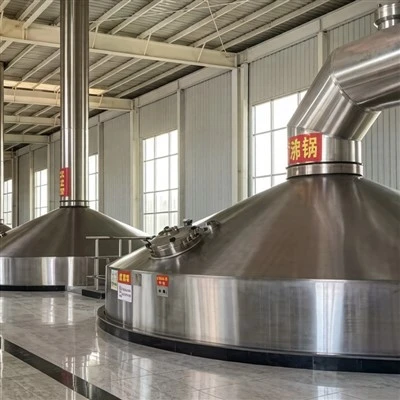
If you’re struggling with scale in your beer equipment, or want to learn more about which solutions work best for your specific setup, I’m here to help. As a supplier of scale beer equipment, I don’t just sell gear—I work with brewers to solve problems, because your success is my success. Reach out to discuss your current setup, water quality, and scale-related headaches, and we can put together a personalized plan tailored to your needs.
Scale Beer Equipment References
- Stewart, G. G., & Russell, I. (2018). Brewing Science: A Comprehensive Approach. Academic Press.
- Priest, F. G., & Stewart, G. G. (2006). Handbook of Brewing. CRC Press.
- Boulton, C., Quain, D., & Takahashi, L. (2013). Brewing Yeast and Fermentation. Wiley-Blackwell.
- American Society of Brewing Chemists (ASBC). (2015). Methods of Analysis of the American Society of Brewing Chemists.
Wenzhou Jinggong Machinery Equipment Co., Ltd.
We are one of the most professional scale beer equipment manufacturers and suppliers in China. With abundant experience, we warmly welcome you to buy customized scale beer equipment at competitive price from our factory. If you have any enquiry about quotation, please feel free to email us.
Address: No.Jiadi Industrial Zone, Yaoxi Town, Longwan District, Wenzhou City, China.
E-mail: jinggong2026@163.com
WebSite: https://www.jg-ind.com/
