As a supplier of farm tractor attachments, I’ve witnessed firsthand the transformative power of various tools in agriculture. Among these, the ripper attachment stands out as a crucial component in soil preparation. In this blog post, I’ll delve into the role of a ripper attachment in soil preparation, explaining its functions, benefits, and importance in modern farming practices. Farm Tractor Attachments
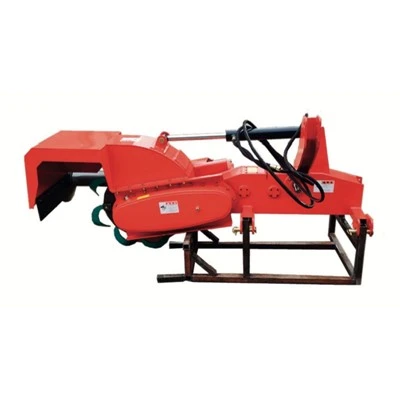
Understanding the Ripper Attachment
A ripper attachment, also known as a subsoiler, is a farm implement designed to break up and loosen compacted soil layers beneath the surface. It typically consists of one or more shanks with sharp points that penetrate the soil, creating channels for air, water, and roots to move more freely. Rippers can be attached to tractors of various sizes and configurations, making them a versatile tool for different farming operations.
Functions of a Ripper Attachment
Breaking Up Compacted Soil
One of the primary functions of a ripper attachment is to break up compacted soil layers. Compaction occurs when soil particles are pressed together, reducing pore space and limiting the movement of air, water, and nutrients. This can lead to poor plant growth, reduced crop yields, and increased erosion. By using a ripper to penetrate and break up compacted soil, farmers can improve soil structure, enhance water infiltration, and promote healthier root development.
Improving Drainage
In addition to breaking up compacted soil, a ripper attachment can also improve soil drainage. Compacted soil often has poor drainage characteristics, which can lead to waterlogging and root rot. By creating channels in the soil, the ripper allows excess water to drain away more easily, preventing water from pooling on the surface and reducing the risk of water-related diseases.
Mixing Soil Layers
Another important function of a ripper attachment is to mix the different layers of soil. Over time, soil can become stratified, with different layers having different physical and chemical properties. By using a ripper to break up and mix these layers, farmers can create a more uniform soil environment, improving the availability of nutrients and water to plant roots.
Preparing the Soil for Planting
Finally, a ripper attachment can be used to prepare the soil for planting. By breaking up the soil and creating a loose, friable seedbed, the ripper makes it easier for seeds to germinate and establish roots. This can lead to better crop emergence, higher yields, and improved overall crop quality.
Benefits of Using a Ripper Attachment
Increased Crop Yields
One of the most significant benefits of using a ripper attachment is increased crop yields. By improving soil structure, drainage, and nutrient availability, the ripper creates a more favorable environment for plant growth. This can result in stronger, healthier plants with higher yields and better quality produce.
Reduced Erosion
Another important benefit of using a ripper attachment is reduced erosion. Compacted soil is more prone to erosion, as it has a harder surface that is less able to absorb water and resist the force of wind and rain. By breaking up the soil and creating a more porous surface, the ripper helps to reduce erosion and protect the soil from degradation.
Improved Soil Health
Using a ripper attachment can also improve soil health over the long term. By breaking up compacted soil, improving drainage, and mixing soil layers, the ripper helps to create a more balanced and fertile soil environment. This can lead to increased biodiversity, improved soil structure, and better nutrient cycling, all of which are essential for sustainable agriculture.
Cost Savings
Finally, using a ripper attachment can result in cost savings for farmers. By improving soil structure and fertility, the ripper can reduce the need for chemical fertilizers and pesticides, which can be expensive and harmful to the environment. Additionally, by increasing crop yields and reducing erosion, the ripper can help farmers to save money on production costs and improve their bottom line.
Importance of a Ripper Attachment in Modern Farming Practices
In today’s modern farming practices, the role of a ripper attachment has become increasingly important. With the growing demand for food production and the need to protect the environment, farmers are looking for ways to improve soil health, increase crop yields, and reduce their environmental impact. A ripper attachment is a valuable tool that can help farmers to achieve these goals by improving soil structure, drainage, and nutrient availability.
In addition, the use of a ripper attachment is also becoming more popular in conservation agriculture. Conservation agriculture is a farming approach that aims to minimize soil disturbance, maintain soil cover, and promote biodiversity. By using a ripper attachment to break up compacted soil without completely turning it over, farmers can reduce soil erosion, improve soil health, and conserve water and nutrients.
Types of Ripper Attachments
There are several types of ripper attachments available on the market, each with its own unique features and benefits. Some of the most common types of ripper attachments include:
Single-Shank Rippers
Single-shank rippers are the simplest type of ripper attachment. They consist of a single shank with a sharp point that penetrates the soil. Single-shank rippers are typically used for light to medium-duty applications, such as breaking up small areas of compacted soil or preparing the soil for planting.
Multiple-Shank Rippers
Multiple-shank rippers are more powerful than single-shank rippers and are typically used for heavier-duty applications. They consist of two or more shanks that are spaced evenly apart and are designed to penetrate the soil more deeply and break up larger areas of compacted soil. Multiple-shank rippers can be used for a variety of applications, including subsoiling, land reclamation, and soil preparation for large-scale farming operations.
Hydraulic Rippers
Hydraulic rippers are a type of multiple-shank ripper that is powered by a hydraulic system. They are typically more powerful and versatile than traditional ripper attachments and can be adjusted to different depths and angles depending on the specific needs of the soil. Hydraulic rippers are commonly used in heavy-duty applications, such as mining, construction, and large-scale farming operations.
Choosing the Right Ripper Attachment
When choosing a ripper attachment for your farm, there are several factors to consider, including the size and type of your tractor, the type of soil you are working with, and the specific needs of your farming operation. Here are some tips to help you choose the right ripper attachment:
Consider the Size and Type of Your Tractor
The size and type of your tractor will determine the size and weight of the ripper attachment you can use. Make sure to choose a ripper attachment that is compatible with your tractor’s horsepower and hitch system.
Consider the Type of Soil You Are Working With
The type of soil you are working with will also determine the type of ripper attachment you need. For example, if you are working with heavy, compacted soil, you may need a more powerful multiple-shank ripper or a hydraulic ripper. If you are working with lighter, looser soil, a single-shank ripper may be sufficient.
Consider the Specific Needs of Your Farming Operation
Finally, consider the specific needs of your farming operation. For example, if you are planning to use the ripper attachment for soil preparation before planting, you may need a ripper attachment that is designed to create a fine, loose seedbed. If you are planning to use the ripper attachment for land reclamation or subsoiling, you may need a more powerful ripper attachment that can penetrate deeper into the soil.
Conclusion

In conclusion, the ripper attachment plays a crucial role in soil preparation for modern farming practices. By breaking up compacted soil, improving drainage, mixing soil layers, and preparing the soil for planting, the ripper attachment helps to create a more favorable environment for plant growth, resulting in increased crop yields, reduced erosion, improved soil health, and cost savings for farmers. As a supplier of farm tractor attachments, I highly recommend the use of a ripper attachment for any farming operation that aims to improve soil quality and productivity.
Rice Combine Harvester If you’re interested in learning more about our range of ripper attachments or other farm tractor attachments, please don’t hesitate to contact us. Our team of experts is always ready to provide you with the information and support you need to make the right choice for your farming operation. Let’s work together to take your farming to the next level!
References
- Brady, N. C., & Weil, R. R. (2008). The nature and properties of soils. Pearson Prentice Hall.
- Hillel, D. (1998). Environmental soil physics. Academic Press.
- Lal, R. (2004). Soil erosion and sustainable agriculture. Food, Agriculture, and Environment, 2(1-2), 143-150.
Huzhou Liangyi Agro Machinery Co., Ltd.
As one of the most professional farm tractor attachments manufacturers and suppliers in China, we have world-leading production equipment and strong manufacturing capabilities. Please rest assured to wholesale advanced farm tractor attachments from our factory. Contact us for more cheap products.
Address: High-Tech Industrial Zone, Huzhou City, Zhejiang Province, China
E-mail: Liangyi_agro@126.Com
WebSite: https://www.cnliangyi-agro.com/
