If you’re here, odds are you’re either outfitting a processing plant, upgrading your material handling setup, or just trying to figure out why your current feeding and discharging system keeps throwing fits. I’ve been working with feeding and discharging systems for over a decade now—first as a tech on the plant floor, now as a supplier, so I’ve seen every mistake, every overlooked detail, and every "wait, that’s not gonna work" moment that comes with installing these systems. The thing is, a system that works flawlessly in one facility might be a total headache in yours, and that all comes down to getting the installation requirements right from the start. No cutting corners here, because bad setup turns a $10k system into a $50k mess real fast. Let’s break this down like we’re chatting on a break room couch, no stuffy jargon, just the real stuff I’ve learned over the years. Feeding and Discharging System
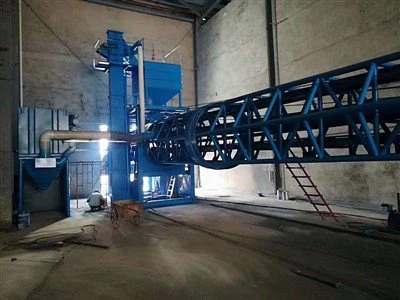
First off, before you even pick up a wrench, you gotta nail down the site-specific basics. This is the step most guys skip, and that’s why half the installation calls I get are emergency fixes. Let’s start with space—no, I don’t mean the vague "we have room" kind of space. I mean exact, measured, unobstructed space, not just where the system sits, but around it. For example, if you’re installing a vibrating feeder for grain, you need at least 3 feet of clearance on all sides for maintenance access. Because when the drive motor goes out (and it will, eventually), you can’t tear down half the conveyer belt to yank it out. I once had a client who thought his 2-foot gap was enough—ended up needing a crane and three extra guys to remove a bad motor, and that cost him way more than the extra 1 foot of clearance would’ve. Also, ceiling height if it’s a ceiling-mounted system, weight capacity if it’s going in a mezzanine. Don’t just take the building’s blueprints word for it—call a structural engineer to double-check. I’ve seen a feeding bin collapse because the mezzanine was rated for storage, not a 12-ton bulk material bin sitting on it. That’s not just a bad installation, that’s a safety hazard.
Next up is power and utilities, and this is where so many small plants mess up. A feeding and discharging system isn’t just plug-and-play (even if the sales guy says it is). First, check the voltage and phase your facility uses. A lot of systems run on 3-phase power, and if you’ve only got single-phase in your warehouse, you’ll need a transformer. I can’t tell you how many times a tech has showed up to install a feeder only to find the power supply is wrong, and the client has to wait 3 days for an electrician to rewire. Also, make sure the circuit has enough amperage. If the system’s motor draws 50 amps but your circuit is only rated for 30, you’ll keep tripping breakers, which will burn out the motor prematurely. For systems that use pneumatic components (like some discharging systems for powders), you need consistent compressed air pressure—usually 80-100 PSI. If your air compressor can’t maintain that, even a perfectly installed system will stall out. And don’t forget about drainage, especially for systems handling wet materials or corrosive stuff. If you’re discharging sludge or food-grade liquid, you need a proper drain line routed near the system, not just a puddle on the floor. I once had a food processing client put a discharge system right next to a floor drain that was clogged, and they had to shut down production for 8 hours to fix a leak that backed up. Dumb, but preventable.
Then there’s material-specific requirements, and this is the make-or-break part that nobody talks about until it’s too late. The feeding and discharging system isn’t one-size-fits-all—what works for plastic pellets will not work for flour, and what works for flour will not work for metal ore. First, you need to know your material’s properties inside and out. Is it dry? Wet? Corrosive? Abrasive? For example, if you’re handling iron ore, which is super abrasive, you can’t use a standard steel feeder—you need one lined with hardened steel, otherwise the feed pan will wear through in 6 months, and you’ll have downtime replacing it. If you’re handling fine powder like cement, you need a discharge system that’s airtight, otherwise you’ll get dust buildup, which is a fire hazard (not to mention a mess that coats every machine in the plant). Also, material flow rate and density are huge. If you need to feed 10 tons per hour, a system rated for 5 tons will underperform, and one rated for 20 tons will cost you way too much. I had a guy come to me last month who bought a cheap feeder online that was rated for 8 tons, but he needed 12—his plant couldn’t keep up, so he ended up buying a second feeder to work in parallel. If he’d just told me his actual flow rate upfront, I would’ve sized the right system first, saving him thousands. Also, for sticky materials like molasses or wet clay, you need anti-stick coatings or vibrators to keep material from clogging the discharge hopper. I once watched a discharge system for wet cornmeal clog so bad that the whole line backed up, and the workers had to chisel it out with hand tools—cost them a full day of production. That’s not an installation problem, that’s not matching the system to the material, but it ties into installation because you have to account for that during setup.
Now, installation site preparation, which is the work you gotta do before our techs show up. This is another area where clients cut corners. First, you need a level surface. If the feeding system is installed on an uneven base, the vibrations from a vibrating feeder will make it shift, which causes inconsistent feeding and even structural damage over time. I always tell clients to pour a concrete pad or use precision shims to level the base within 1/8 of an inch max. No guessing here—use a level tool, not your eye. Also, make sure the area is clear of debris, tools, or other equipment. Our techs work fast, but if they gotta move a stack of pallets or dodge a conveyor, the install takes twice as long, and you’re paying down time. Also, mark all utility lines before digging or mounting anything. I once had a tech drill into a gas line in a food plant—thank god it was a small line, but we had to evacuate the area and shut down for 4 hours. That’s avoidable if you just call the utility company to mark their lines before you start. Also, if you’re connecting the system to existing conveyors or processing equipment, make sure those connections are aligned. Misaligned chutes cause material spillage, which is a safety hazard and wastes product. I always recommend installing access doors on chutes so you can clear clogs without tearing the whole thing apart.
Next up, electrical and control system integration, which is where a lot of issues happen post-install. You can have the best system in the world, but if the controls are wonky, it’s useless. First, make sure the control panel is easily accessible—don’t tuck it behind a stack of boxes where the operator can’t reach it in an emergency. Also, test all the sensors: level sensors to tell when the hopper is full, pressure sensors for pneumatic systems, limit switches for moving parts. If those aren’t calibrated correctly, the system will either overfeed and spill material or underfeed and stop production. For example, a level sensor that’s set too high will let the hopper overflow, which for food products is a huge waste and a contamination risk. Also, safety features are non-negotiable. All moving parts need guards, emergency stop buttons within arm’s reach, and interlocks that shut the system down if a guard is opened. I can’t stress safety enough—OSHA inspections are no joke, and a feeding and discharging system that’s not safety-compliant will get your plant shut down. We include all safety features with every system we sell, but they only work if you install them correctly. I once had a client who removed a guard to fix a clog, and forgot to put it back on—ended up with a worker’s hand injury, and got fined $15k by OSHA. That’s not worth cutting a corner for a 5-minute fix.
Then there’s post-install testing and adjustment, which is often rushed because everyone wants to get back to production. This is the final step that makes the difference between a system that works and one that’s a headache. Once everything is installed, you can’t just hit the power button and walk away. You need to test the system with your actual material, not just air. Run it at different speeds, check for flow consistency, look for leaks or spillage, test the emergency stops, and make sure all the controls are working correctly. I always spend at least 4 hours on site with a new installation, working with the plant operators to adjust the system. For example, a vibrating feeder’s amplitude needs to be adjusted for your specific material—too high and you’ll get material degradation, too low and it won’t feed enough. Most clients don’t know how to adjust that, so that’s part of the service we provide. Also, train your operators! A system that’s installed perfectly will fail if the operator doesn’t know how to use it. I’ve seen systems get damaged because an operator tried to clear a clog while the system was still running, or adjusted the controls incorrectly. We give training with every install, and we even do follow-up calls a week later to make sure everything’s running smooth.
Wait, one last thing: environmental considerations, which a lot of people overlook depending on where your plant is. If you’re installing outdoors, the system needs to be weather-sealed—rain can get into electrical parts, snow can freeze material in the hopper, UV rays can degrade plastic components. For outdoor installations, you need weatherproof enclosures for the control panel, heated hoppers for cold climates, and proper drainage to prevent standing water. If you’re in a dusty environment, you need explosion-proof components to prevent dust fires. I had a client in a grain storage facility a few years ago who didn’t use explosion-proof motors, and after a year, a small dust spark from the motor nearly caused a full explosion. That’s a really big risk, and it’s all part of the installation requirements matching your environment.
At the end of the day, feeding and discharging systems are simple on the surface, but they’re way more complex than they look. Every plant has unique needs, so there’s no one-size-fits-all rule. Skipping any of these steps—site space checks, power verification, material matching, level surfaces, safety features, testing—will cost you money, downtime, or even safety issues. I’ve been in this game long enough to know that the best installations aren’t the ones that go up fastest, they’re the ones that go up right the first time.

If you’re planning a new feeding and discharging system, or you’re dealing with a system that’s been giving you trouble, don’t guess at the requirements. Give me a holler, and we can walk through your specific setup, make sure all the boxes are checked, and get you a system that works for your plant, not against it. I don’t do one-size-fits-all, and I don’t cut corners—because I’ve seen too many clients pay for that in the long run. Let’s get your material handling running smooth, no surprises.
Dry Mortar Production Lines References: Material Handling Equipment Manufacturing Association (MHEMA) Installation Guidelines, OSHA Standard 29 CFR 1910 for Material Handling, ASME B20.1 Safety Standards for Conveyors and Related Equipment.
Jiangsu Haike Environmental Tech Co., Ltd.
As one of the most professional feeding and discharging system manufacturers and suppliers in China, we’re featured by quality products and good service. Please rest assured to wholesale customized feeding and discharging system at competitive price from our factory. Contact us for quotation.
Address: No.1, Wei’er Branch Road, Shanggang Industrial Park, Jianhu County, Yancheng City, Jiangsu Province, China
E-mail: 17388487000@163.com
WebSite: https://www.jshkhbwm.com/
