Hey there, it’s Jake from your go-to cap mold supplier, and if you’ve been in the packaging game long enough, you know there’s nothing more frustrating than a mold that dies way before it should. Last week, I had a client hit me up panicking because their 12-cavity cap mold crapped out after 8 months—they were replacing it every year and throwing thousands down the drain on downtime and new tooling. That’s why I’m breaking down the actual, science-backed stuff we teach our clients to make their cap molds last way longer, no fluff, no overcomplicated jargon. Cap Mold
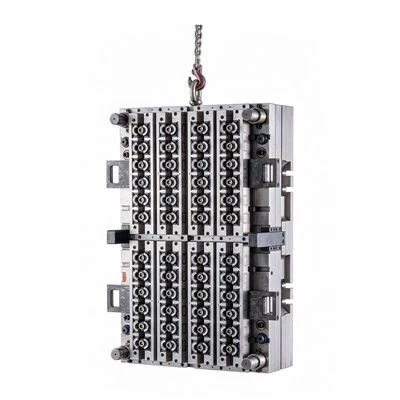
First off, let’s cut to the chase: cap molds take a beating. You’re running them 24/7 for weeks straight, plastic resin (some with harsh additives, regrind, even UV stabilizers) flowing through them, pressure slamming in, heat cycling nonstop. If you’re just slapping together a mold and calling it good, you’re setting yourself up for failure. Most people miss the small, actionable tweaks that actually move the needle on durability, not just the flashy “upgrade” that costs 3x more.
Let’s start with the material pick—this is the foundation, and most people sleep on it. I see so many shops grabbing generic P20 tool steel because it’s cheap, but P20 is okay for low-volume stuff, not if you’re churning out 10M+ caps a year. For high-volume production, we go with S7 tool steel for the core and cavity inserts, not because it’s the hottest option, but because it’s got way better impact resistance and toughness. Wait, let’s be real—what does that mean for you? S7 doesn’t crack when a stray piece of hard regrind slams into the mold, and it doesn’t wear out as fast when you’re running glass-filled polypropylene or HDPE with recycled content. A lot of guys also skip pre-hardening the steel, or wait too long to heat treat it after machining. If you machine S7 and then harden it right away, you avoid the micro-cracks that form when you cut into un hardened steel and then heat it unevenly. We do this for every mold we build, and we’ve had clients run S7 inserts for 3+ years with no major wear. Another thing: if you’re working with corrosive resins (like PVC or some antibacterial additives), don’t even touch plain steel. Add a chrome plating or nitriding layer—nitriding is way better because it puts a hard, wear-resistant layer on the surface without making the steel brittle, unlike some electroplating that can flake off when the mold cycles.
Next, the hot runner system—this is the part that often gets overlooked, and it’s a huge source of mold failure. I’ve seen so many cheap molds that use old, clunky hot runners that leak, drip, or have cold spots that cause material to degrade and build up gunk. That gunk acts like sandpaper inside the mold, wearing down cavities and gates way faster. If you’re using a hot runner, go with a balanced system, not a un balanced one where some cavities get more pressure than others. Unbalanced pressure leads to uneven wear—one side of the mold will be taking all the hit, and that’s where cracks form first. Also, don’t skip the maintenance on your hot nozzles. We recommend pulling the mold apart every 2-3 months (depending on run time) and cleaning the nozzle tips with a brass brush, not a metal one that can scratch the surface. A tiny scratch on a nozzle tip will turn into a big gate wear spot, and then your caps will have flash or short shots until you replace the nozzle. Pro tip: If you’re running regrind a lot, invest in nozzles with hardened tips—they cost a little more, but they don’t get chewed up by small metal bits in the regrind like standard tips do.
Cooling is another big one that people mess up, and it directly impacts mold life. If your mold isn’t cooling evenly, you get thermal cycling stress—every time the mold heats up when plastic flows in, then cools down when it ejects, it expands and contracts a tiny bit. Over thousands of cycles, that leads to micro-cracks, especially around the gates and core pins. We design every mold with conformal cooling channels, not straight, drilled holes that leave dead spots where plastic can cool too slow. Conformal channels follow the shape of the cavity, so every part of the mold stays at a consistent temperature. That reduces thermal stress by like 30% in most cases, so your mold doesn’t fatigue as fast. Also, change your cooling water! If you’re using tap water with mineral buildup, that gunk clogs the cooling channels, making some parts of the mold run hotter. We tell clients to use deionized water and add a mild corrosion inhibitor—super cheap, and it keeps the channels open for years, so cooling stays consistent.
Gate design and maintenance—this is where a lot of wear starts. The gate is the tiny hole where plastic flows into the cap, and it’s under constant high pressure and flow. If your gate is too small, you get shear stress that wears the gate out in a few months. If it’s too big, you get flash and waste, but you can get away with a slightly larger gate if you polish it right. Wait, polishing—most people do a basic polish, but we do a high-gloss, mirror polish on all gate surfaces and cavity inserts. Why? A smoother surface means less friction when plastic flows, so less abrasive wear from resin additives or regrind. We use diamond polishing compound for the final pass, and it adds a micro-thin layer that repels gunk too. Also, when you’re e caps, make sure the ejection pins are aligned correctly. If a pin is slightly bent or off-center, it drags against the core, scratching the cavity wall and leading to bad caps and faster wear. We include alignment checks in every pre-shipment test, but if you’re running the mold in your shop, make sure to check pin alignment every few runs—take a quick caliper reading to make sure they’re not shifting.
Then there’s regular maintenance—this is non-negotiable, and I can’t stress this enough. A lot of guys wait until the mold is broken to do anything, but small, weekly checks add years to the mold’s life. First, clean the mold after every production run. Blow out all the dust, plastic residue, and any leftover regrind from the cavities and gates. Wipe down the exterior with a lint-free cloth, and lubricate the guide pins and bushings with a food-grade mold lubricant (plain grease can trap dust and cause scratches). We recommend using a dry lubricant for the internal moving parts, like core pins, because wet lubricant can mix with plastic and cause defects. Also, store the mold properly when you’re not using it—don’t just leave it sitting on the shop floor. Wrap it in a rust-preventive film, set it on a wood pallet so it’s not touching concrete, and keep it in a dry area. Concrete is porous and moisture will eat away at the steel over time, and if you leave the mold out, it can get bumped or dropped, leading to dents and cracks that are impossible to fix.
Wait, let’s talk about common mistakes I see all the time. One big one is running too much regrind without adjusting the mold settings. Regrind is cheaper, but it has more contaminants and is more abrasive than virgin resin. If you’re running 50% or more regrind, you need to increase the polish on the mold surfaces, and maybe upgrade to a harder steel for the inserts. Another mistake is not keeping up with mold alignment. Over time, guide pins and bushings wear, so the mold doesn’t close as tight as it should. That leads to flash, and flash means you’re forcing plastic into gaps that shouldn’t be there, which wears the mold faster. We offer a guide pin and bushing replacement service—every 18 months, swapping those parts out for a fraction of the cost of a new mold, and it makes your old mold work like new again.
I had a client a few months back who was replacing his 8-cavity cap mold every 10 months because he was running 60% regrind and not doing any maintenance. He tried the generic “cheap mold” from a big supplier, and it was garbage. He switched to a mold we built with S7 inserts, nitrided hot runners, and conformal cooling, and he’s now running it 24/7 for 14 months straight, no major issues. He even said he saved $15k in the first year alone from not having to buy a new mold. That’s the kind of win we love to see.
Look, I get it—every business is trying to cut costs, and tooling is a big upfront expense. But skimping on mold durability just leads to more downtime, more replacement costs, and more headaches. The tweaks I mentioned aren’t just “nice to have” upgrades—they’re the stuff that makes a mold pay for itself over and over again. At the end of the day, a cap mold is an investment, not a one-time purchase.
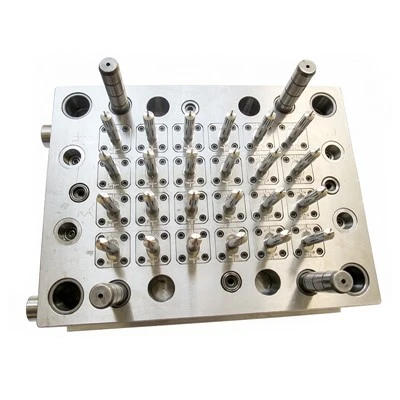
If you’re tired of your cap mold crapping out before it should, or you want to stop throwing money at replacements and downtime, hit us up. We can walk you through what your current mold is missing, or build you a custom mold tailored to your production volume, resin type, and run schedule. We don’t do one-size-fits-all garbage—we work with you to make a mold that actually lasts. Don’t let a flimsy mold kill your production flow and cut into your profits. Let’s chat and figure out how to make your cap molds last as long as they should.
Cap Mold References
- Tool Steel Committee of the American Iron and Steel Institute. "Design and Maintenance of Injection Molds for High-Volume Production." 2021.
- Hot Runner System Manufacturers Association. "Best Practices for Hot Runner Durability in Packaging Applications." 2022.
- Mold Maintenance Association International. "Preventive Maintenance Protocols for Injection Molding Tools." 2020.
- Cooling Channel Design Journal. "Conformal Cooling’s Impact on Thermal Fatigue of Injection Molds." 2021.
- Packaging Tooling Technology Review. "Material Selection for Abrasive Resin Applications in Cap Molds." 2022.
Taizhou Koni Mould Co., Ltd.
As one of the most professional cap mold manufacturers and suppliers in China, we also support customized service. Please feel free to wholesale high quality cap mold made in China here from our factory. For pricelist, contact us now.
Address: No. 97 Jinju Road, Chengjiang Subdistrict, Huangyan District, Taizhou City, Zhejiang Province
E-mail: kn@kenimould.com
WebSite: https://www.kenimouid.com/
