Hey there, if you’ve ever stood in your garage staring at a beat-up garden cart (or even a brand-new one) and thought, “This would be so much better if it had [fill in the blank],” you’re not alone. I run a company that sells garden carts for a living, and I get at least a dozen messages a week from customers asking the exact same question: Can I actually modify my garden cart to add extra features? Short answer: Hell yeah you can. And most of the time, you don’t even need fancy tools or a engineering degree to pull it off. Garden Carts
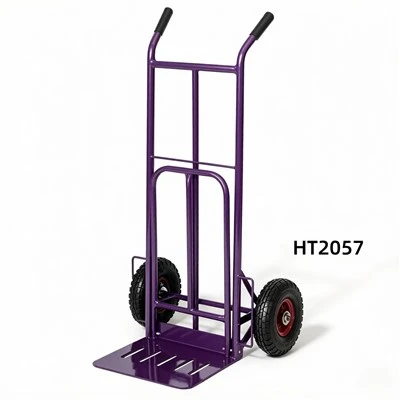
Let me start with a quick reality check first—no, you can’t turn your basic 2-wheeled garden cart into a motorized, climate-controlled moving truck. But if you’re talking about small, useful upgrades that make hauling soil, plants, tools, or firewood way easier? That’s totally doable. I’ve seen customers turn our standard steel-deck carts into firewood haulers, compost sifters, even mobile herb planters. Today I’m breaking down the most popular, practical modifications we get questions about, plus a few pro tips from our team that’ll save you time (and keep your cart from falling apart halfway through a big yard project).
First up, probably the most common ask: adding sides or expanding the bed. Let’s be real, standard garden cart beds are sized for a specific load—usually around 10 to 15 cubic feet, depending on the model. But if you’re hauling mulch, leaves, or even tall tomato plants that are still in grow bags, the low sides mean stuff slides out the back mid-haul. Most of our basic carts have metal or plastic lip rails along the deck edges, so adding sides is as simple as picking the right material. A lot of customers go for 1×4 wooden planks—cut them to fit the length and width of your cart, drill holes to line up with the existing rail holes, and bolt them on. No need for fancy joinery here, just make sure to pre-drill the wood so it doesn’t split when you tighten the bolts.
Wait, but what if you want taller sides for hauling bulkier stuff? I’ve had a customer use old vinyl fence posts cut to 12 inches, attach them to the corners of the cart with heavy-duty L-brackets, then run a thin wire mesh between the posts to make a sort of mesh crate. That works way better than solid wood for letting extra dirt or leaves shake loose, too. Pro tip from our service team: if you’re using wooden sides, sand the edges after cutting so they don’t splinter and scratch your arms when you’re leaning over to load or unload. We see way more people skip that step and complain about splinters later—don’t be that guy.
Next modification: turning a basic cart into a dual-purpose tool carrier. How many times have you had to make two trips from your garage to the garden because your cart only holds a trowel, a hose nozzle, and half a bag of fertilizer? Total pain. Adding a tool rack or multiple hooks to the front or sides of your cart is super easy, and it doesn’t even require drilling if you don’t want to. We sell these cheap rubber-coated hook sets that just clamp onto the metal rail of our carts—they work for hanging shovels, rakes, even a small watering can. If you want something sturdier, you can buy a small section of PVC pipe, cut it to fit the front of your cart, and attach it with zip ties (heavy-duty ones, obviously) to make a place to hold your hose. No more tripping over the hose while pulling your cart through the flower beds.
Another popular upgrade: adding brakes. Let’s say you’re hauling a full load of compost down a slight slope in your yard—suddenly your cart’s rolling away faster than you can walk, and you’re chasing it through the grass. Not ideal. A lot of our customers ask about adding a simple brake system, and the good news is there are pre-made kits that work with most standard garden carts. Most brake kits mount to the axle or the handle of the cart, so you don’t have to do any major modifications. Just make sure you get a kit that’s compatible with your cart’s wheel size—our 10-inch wheel carts use a different brake kit than our 16-inch heavy-duty models, so double-check before you buy. If you’re handy, you can even rig a DIY brake: attach a small wooden block to the bottom of the cart’s handle so when you lean back to pull, the block presses down on the ground and slows the cart. It’s not as fancy as a store-bought kit, but it works for small slopes.
Wait, let’s talk about the big, heavy-duty stuff too—if you have a steel cart and you’re hauling really heavy loads (like 500+ pounds of gravel or flagstone), reinforcing the frame is a smart modification. A lot of basic garden carts have thin metal frames that can bend if you overload them, which is why we always recommend checking your cart’s weight limit before you load up. If you want to add extra support, you can cut small metal angle brackets and weld them to the underside of the frame. But if you don’t have a welding setup, you can use heavy-duty steel straps and bolt them across the bottom of the frame. Just make sure you use bolts that are long enough to go through both layers of metal, otherwise they’ll pull out under weight. Our top tip here: don’t skip this step thinking “my cart will hold it.” We’ve had way too many customers break carts hauling gravel because they didn’t reinforce the frame, and then they have to buy a whole new cart. Trust me, a $10 steel strap is way cheaper than a new garden cart.
Now, I know some of you are gonna ask: can I make my cart motorized? Let’s be real, that’s a more involved project, but it’s totally possible. We’ve had customers turn our 2-wheeled heavy-duty carts into electric haulers with a $150 motor kit they found online. The process is basically attaching a small electric motor to the axle, adding a battery pack, and mounting a throttle to the handle. But here’s the thing: that’s way more advanced than the other mods we’ve talked about. You’ll need basic wiring skills, and you have to make sure the motor is powerful enough for your cart’s weight capacity. If you’re not comfortable with wiring, it’s probably better to buy a motorized cart outright—we actually sell a small line of electric garden carts for people who want that without the build. No shame in sticking to simpler mods if you’re not a DIY pro.
Wait, let’s also cover a few common mistakes people make when modifying their garden carts, because we’ve seen it all. First, don’t overload your cart when you add mods. If you add a bunch of wooden sides and a tool rack, that extra weight might push your cart over its original weight limit, which can break the wheels or the frame. Always check the manufacturer’s weight limit first, and subtract the weight of your mods from that to get your actual safe load. Second, don’t use cheap hardware. I’ve seen people use regular drywall screws instead of carriage bolts to attach sides—those will pull out the first time you hit a bump in the yard. Spend the extra $2 on stainless steel bolts and nuts, they’ll last way longer. Third, test your mods before you use them on a big project. If you build a custom side rack, fill your cart with sand (it’s heavy and mimics soil or mulch) and pull it around your yard a few times to make sure nothing is wobbling or about to fall off. I can’t tell you how many people finish a big modification, load up soil, and then have the sides fall off halfway to the garden. Testing saves so much hassle.
Here’s the other thing I want to mention: modifying your garden cart is also a great way to customize it for your specific needs. If you’re a vegetable gardener, you can add small planter boxes to the deck so you can haul seedling trays and not have to carry them one by one. If you’re into firewood, you can add a small chain to the sides to keep logs from rolling out. If you have pets, you can line the deck with a plastic mat and turn it into a mobile feeding station for yard work days. The possibilities are pretty much endless, as long as you stick to simple, sturdy mods that fit your cart’s design.
I also want to shout out that our team is always here to help if you’re thinking about modifying your cart. We get a lot of questions about compatible parts, weight limits, and the best mods for specific cart models, so don’t hesitate to reach out. If you’re in the market for a new garden cart to modify, we’ve got a range of basic and heavy-duty models that work great for all these projects, and we can point you toward parts that fit specific carts.
Wait, before I wrap this up, let me just circle back to that original question: Can I modify my garden cart to add extra features? 100% yes. You don’t need to be a professional carpenter or mechanic to add useful, practical features that make your yard work way easier. The key is starting small, using the right materials, and not overcomplicating things. You don’t have to build something crazy—just add the one or two things that annoy you about your current cart, and you’ll be so glad you did.

If you’re looking to upgrade your existing cart or shop for a new one to modify, we’re here to help. Reach out to our team to chat about your needs, whether you’re just wanting to add a few hooks for tools or planning a bigger project like reinforcing the frame. We can walk through options, answer questions about parts compatibility, and make sure you get everything you need to make your garden cart work for you.
Lawn Roller References:
- American National Standards Institute (ANSI). Standard for Agricultural and Horticultural Equipment: Garden Carts and Wagons. 2021.
- DIY Garden. "Top 10 Modifications for Your Garden Cart". 2023.
- Outdoor Power Equipment Institute (OPEI). Safety Guidelines for Modifying Power Equipment and Garden Tools. 2022.
- Woodworking for Mere Mortals. "How to Attach Wooden Sides to a Garden Cart Without Splitting". 2022.
- Electric Power Equipment Association (EPEA). Guide to Adding Motor Kits to Non-Motorized Garden Carts. 2023.
Qingdao Herzhe Tools Manufacturing Co., Ltd.
Qingdao Herzhe Tools Manufacturing Co., Ltd. is one of the most professional garden carts manufacturers and suppliers in China. We have world-leading production equipment and strong manufacturing capabilities. Please feel free to buy advanced garden carts at competitive price from our factory.
Address: No. 406 Shuangfushan Road, Baoshan Town, Qingdao CHINA
E-mail: herzhetool@163.com
WebSite: https://www.herzhetoolsmfg.com/
