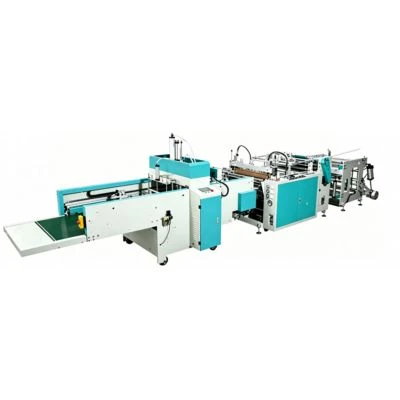
If you’ve ever walked onto a plant floor mid-production and noticed your film blowing machine spitting out inconsistent thickness, wasting too much raw material, or slowing down every time you run a new film grade, you know that replacing the whole unit isn’t the only fix. As a film blowing machine supplier, I’ve worked with hundreds of manufacturers—from small flexible packaging startups to large agricultural film producers—and more often than not, their biggest pain points don’t require a full machine overhaul. They require a strategic upgrade, tailored to their specific production goals, which can boost efficiency, cut costs, and extend the life of their existing equipment by 5 to 10 years. Film Blowing Machine
Let me start with a truth I’ve learned over 12 years in this industry: most operators wait until their machine breaks before making changes, but proactive upgrades are where you get the real return on investment. A $5,000 upgrade that cuts energy use by 18% and reduces downtime by 12% will pay for itself in less than two years, whereas a full machine replacement can take 5 to 7 years to recoup. The key is knowing which upgrades align with your most urgent needs, whether that’s improving product quality, increasing output, or meeting new sustainability regulations. I’m going to break down the upgrades I recommend most often, the science behind why they work, and how to roll them out without disrupting production.
First, let’s talk about the extruder—this is the heart of the film blowing machine, and upgrading it is one of the highest-impact changes you can make. A common mistake I see is operators thinking “bigger is better,” but actually, upgrading to a high-torque, single-screw extruder with a barrier screw design delivers far more consistent melt quality than a standard extruder. The science here is simple: a barrier screw separates the molten polymer from the un-melted pellets as they move through the barrel, reducing shear stress and eliminating “dead zones” where material can overheat and degrade. Over time, degraded material causes streaks in the film, weaker tensile strength, and more waste.
Last year, I worked with a customer who produced stretch wrap film for palletizing. They had a 60mm extruder that was only running at 80% capacity, and their film had a +/- 8% thickness variation, which was well above the industry standard of +/- 5%. We upgraded their extruder to a high-torque 65mm barrier screw, and within three months, their thickness variation dropped to +/- 3.2%, they increased their output by 15%, and their raw material waste fell by 10%. The upgrade cost them $7,200, and their energy use per kilogram of film dropped by 12% because the more efficient screw requires less power to melt polymer. The best part? We installed it during a two-day planned shutdown, so they didn’t lose any production time. If your extruder is 10+ years old and running at inconsistent pressure or temperature, this is the first upgrade I suggest.
Next, the air ring and internal bubble cooling (IBC) system. This is where a lot of newer machines outperform older ones, because cooling the bubble evenly and quickly is critical to film quality and output. Older air rings are often static, meaning they blow air at a fixed velocity around the bubble, which can cause uneven cooling—thicker sections where the air is weaker, thinner sections where it’s too strong. Upgrading to a variable-geometry air ring with IBC can solve that. The IBC system uses controlled, chilled air inside the bubble to cool the polymer from the center out, instead of just the outside. This cools the bubble faster, allows you to run the machine at higher speeds, and reduces thickness variation.
A customer in the agricultural film industry told me they were running their machine at 45 meters per minute, and their mulch film had too many wrinkles on the edges, which meant they had to trim 10% off each roll, leading to massive waste. We upgraded their 12-year-old air ring to a variable-geometry model with a modular IBC system. Now they run at 58 meters per minute—nearly 30% faster—and the edge trim is down to 3.5%. That small upgrade (only $6,800) let them increase their monthly production by 120,000 square meters without adding a shift. The science check here is that the IBC system stabilizes the bubble within 0.2 seconds of it exiting the die, compared to 1.2 seconds with a standard air ring, so the polymer molecules align more evenly, resulting in stronger, more consistent film. This upgrade is especially valuable if you run thin films (under 25 microns) or heavy-gauge agricultural films, both of which are sensitive to cooling rates.
Then there’s the control system. If your machine has an analog control panel—dials, gauges, and manual temperature adjustments—it’s like driving a car with no GPS and only a speedometer from the 1990s. Upgrading to a digital, PLC-based control system with real-time monitoring and automatic thickness control (ATC) is a game-changer for both quality and operator workload. The ATC system uses sensors that measure film thickness at multiple points as it comes off the line, and automatically adjusts the die gaps or air ring velocity to fix variations before they become waste. For example, if a section of film is 0.5 microns too thin, the ATC system can adjust the die within 0.1 seconds, no operator input needed.
I had a food packaging customer who had a team of three operators per shift dedicated to manually adjusting thickness all day, which led to human error when operators were tired. We upgraded their control system, and they were able to reduce their operator count per shift by one person, saving them $45,000 per year in labor costs. The ATC system also cut their thickness variation to +/- 2.8%, which allowed them to reduce the amount of raw material per roll by 7%—they were using 2.2 kg of LDPE per square meter before, now they use 2.04 kg, which added up to $120,000 in annual raw material savings. The control system upgrade is more substantial than a screw or air ring—usually between $15,000 and $25,000—but it pays for itself in quality, labor, and material savings within 18 months. It’s also a must if you plan to automate more of your production in the future, since modern control systems integrate easily with other line equipment like slitter-rewinders and packaging machines.
Now, let’s talk about sustainability, which is a huge driver for upgrades right now. More and more of our customers are being forced to meet ESG targets or comply with new regulations on plastic production, and upgrading their machine’s energy efficiency is one of the easiest ways to do that. For example, upgrading to high-efficiency heating elements on the extruder barrel can reduce energy use by 15-20% compared to standard elements. These elements heat up faster, maintain a more consistent temperature, and don’t waste energy as heat into the surrounding environment. Another upgrade is adding a closed-loop cooling system for the air ring and IBC, which recycles the chilled air instead of exhausting it to the atmosphere. A closed-loop system can cut energy use for cooling by 30%, because you’re not constantly chilling fresh air all day.
Last year, we helped a large flexible packaging company reduce their carbon footprint by 22% after a series of upgrades: high-torque extruder, variable-geometry air ring, high-efficiency heating elements, and a closed-loop cooling system. They were able to advertise their film as “30% lower carbon” to their customers, which opened up new contracts with major grocery chains that required sustainable packaging. The sustainability upgrades don’t just help with regulations—they also lower your utility bills, which is a win for your bottom line too.
I should also mention upgrades for specific production needs, because not every upgrade applies to every machine. If you run multi-layer films (like 3- or 5-layer barrier films for food packaging), upgrading to a multi-layer die with independent temperature control for each layer will let you produce more complex films without a separate machine. For example, a customer who produces barrier films used to run three separate lines for different layer configurations, until they upgraded their single-layer machine to a 5-layer die. Now they can switch between configurations in under an hour, instead of the 8 hours it took to switch between machines, and they reduced their production space by 1,200 square feet. That’s another hidden benefit: upgrading can free up floor space you were using for extra equipment.
When you’re planning upgrades, the biggest mistake I see is trying to do too much at once. If you install a new extruder, air ring, and control system all in one shutdown, you’ll probably have teething problems that take weeks to fix, and you’ll lose a lot of production time. Instead, prioritize based on your biggest pain point. If your main issue is material waste, start with a barrier screw and ATC system. If you need more speed, start with an IBC system and variable air ring. Small, staged upgrades let you test each change, measure the results, and adjust before moving to the next one. Also, work with a supplier who offers on-site installation and training—don’t try to do this yourself, because improper installation can void your machine’s warranty and cause more problems down the line. I always include training for operators when we install upgrades, because even the best system won’t perform well if the team running it doesn’t know how to use it.
Let’s talk about timing too. The best time to upgrade is during a planned shutdown, usually for maintenance or rollover, not during an unplanned breakdown. If your machine is running well, schedule a shutdown every 12 to 18 months to do small upgrades and preventive maintenance. This way, you don’t have to rush the upgrade, and you can avoid unexpected downtime when you have a huge order due. Also, consider the age of your machine: if it’s over 15 years old, upgrading is almost always more cost-effective than replacing, as long as the frame and barrel are in good condition. If it’s under 10 years old, a few targeted upgrades can give you 10 more years of high-performance production.
One more thing: safety. Many older film blowing machines have outdated safety features that don’t meet current OSHA or ISO standards. Upgrading safety components is not just a good idea—it’s required. That could mean adding a bubble collapse sensor that stops the machine if the bubble bursts (which prevents injury and material waste), upgrading emergency stop buttons to meet modern standards, or adding guards around the die and nip rolls. A friend of mine had a incident where a bubble burst because his old safety system didn’t detect it, and the material splattered all over his team—after that, he prioritized safety upgrades for every machine in his plant, which also reduced his downtime from safety-related incidents by 90%.
So, to wrap this up: upgrading your film blowing machine doesn’t have to be complicated or expensive. It’s about identifying your biggest challenges—whether that’s quality, speed, waste, or sustainability—and targeting upgrades that address those specific needs, in a staged way, during planned downtime. As a supplier, I’ve seen these upgrades transform small operations into high-output, low-cost producers, and I’ve seen big operations become more flexible and sustainable without breaking the bank.
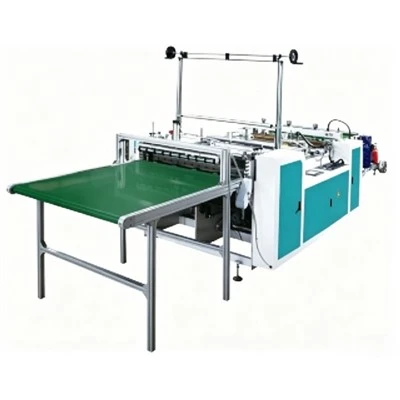
Mono Layer Film Blowing Machine If you’re tired of dealing with inconsistent film, high waste, or slow production, and you want to learn which upgrades will work best for your machine, feel free to reach out. We can walk through your current setup, discuss your production goals, and put together a customized upgrade plan that fits your budget. Whether you’re looking to boost output, improve quality, or meet ESG targets, we can help you get more from your existing equipment without the cost of a full replacement.
References
- "Film Blowing Technology: Principles and Practice" by David V. Rosato, Hans Rosato, and Donald V. Rosato, Carl Hanser Verlag, 2018.
- "Energy Efficiency Improvements in Plastic Film Extrusion Processes" report by the American Chemistry Council, 2021.
- "Internal Bubble Cooling Systems for Polyethylene Film: Performance and Application" by the Society of Plastics Engineers, Annual Technical Conference (ANTEC), 2019.
- "Advanced Process Control for Film Blowing: Reducing Variability and Improving Quality" by Control Engineering Magazine, 2020.
- "Safety Standards for Plastic Processing Machinery" by the Occupational Safety and Health Administration (OSHA), 2022.
Ruian Jianhao Precision Machinery Co., Ltd.
As one of the most professional film blowing machine manufacturers and suppliers in China, we’re featured by quality products and good price. Please rest assured to wholesale durable film blowing machine for sale here from our factory. Welcome to contact us for customized service and quotation.
Address: No. 8, Jianshe Road, Beiyu Village, Shangwang Street, Ruian City, Wenzhou City, Zhejiang Province
E-mail: 1832333027@qq.com
WebSite: https://www.jianhaomachinery.com/
