If you’re running a bus fleet, whether it’s a small local service with 5 routes or a mid-sized operation crisscrossing a whole region, you know how one bad bus part can turn a whole day’s schedule upside down. I’ve been in the bus parts game for over a decade now, and I’ve seen my fair share of fleet managers panic because they grabbed the cheapest air filter or brake pad off a random listing only to have it fail 2 weeks later—costing them in downtime, repair bills, and angry passengers. Choosing the right bus parts isn’t just a “get the cheapest option” call; it’s about balancing reliability, fit, and long-term value, and I’m gonna break down exactly how I walk our clients through it, no fancy jargon, no hidden agendas. Bus Parts
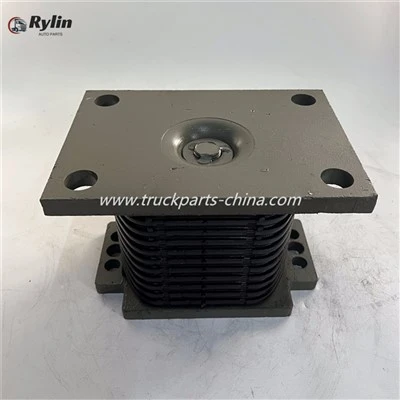
First off, let’s talk about the absolute basics: “right” starts with knowing exactly what your bus needs. A lot of new fleet guys skip this step, and that’s where they mess up. You wouldn’t grab a part for a 2018 Transit bus for your 2022 Proterra, right? But you’d be surprised how many people do that—they just search the part number from an old invoice and cross their fingers, not realizing that even same-make, same-year buses can have different part specs depending on the trim, engine, or even when it rolled off the line. Wait, and don’t just rely on the VIN, either. I had a client last year who swore his 2019 Blue Bird had the standard brake caliper, but when we pulled up the build sheet (which is way more accurate than just the VIN, by the way), it turned out he’d ordered the heavy-duty option for mountain routes, so his caliper was a different size. How do you fix that? Pull the old part off first, or at least dig up the exact build details from your fleet records, not just Google. Most bus manufacturers keep build docs for 15+ years, so even if you’re working with a 10-year-old bus, you can track down exactly what parts it uses. And yeah, if you’re not sure? Just shoot us a message—we have a team that checks specs before we even send a quote, so we don’t waste time sending the wrong part.
Next up, quality vs. price—this is the big debate I have with every new client. Let’s be real, we all love a good deal. But cheap parts are cheap for a reason. A $10 air filter vs. a $25 one? The cheap one’ll crack in 6 months, letting dirt get into your engine, which could lead to a $2,000 engine overhaul. The $25 one’ll last 2 years, so over time, you’re actually saving money. I see so many guys fixated on upfront cost, but they don’t factor in downtime. If a bus is out of service for 3 days because a cheap wheel bearing failed, that’s 3 days of lost routes, maybe you have to rent a backup bus for $500 a day, plus overtime for mechanics. That adds up way faster than paying a few extra bucks for a good part. Now, that doesn’t mean you have to buy the most expensive OEM part every single time. There’s a middle ground: high-quality aftermarket parts that meet or exceed OEM specs. I don’t sell garbage cheap parts, and I don’t sell overpriced OEM ones just to pad my margin. My job is to tell a client, “Hey, this OEM brake pad is $40, this aftermarket equivalent is $32, same material, same durability, we’ve tested it on 50 of our fleet clients.” It’s about matching the part quality to how the bus is used. If you’ve got a weekend leisure bus that only runs 10 hours a week, you can go with a solid aftermarket part. If you’ve got a commuter bus running 12 hours a day in stop-and-go traffic, you need something that can handle that constant wear. That’s the call we make together, not just a generic price.
Then there’s fit and compatibility—sounds simple, but it’s where a lot of mistakes happen. Bus parts aren’t like car parts, where most things cross over between models. A bus’s frame, suspension, even the way wires run, is way more unique. I had a client a couple months ago who ordered a replacement door latch for his 2021 school bus, used a cross-reference from a parts site, and it didn’t line up at all. Turned out the cross-reference missed that his bus was a handicap-access model, so the latch had extra mounting holes for the door ramp. How do you avoid that? Ask about specific features: does your bus have a wheelchair lift, heated seats, LED lights? Does it run on diesel, gas, or electric? Oh, and electric buses are a whole new ballgame—their parts are way more specialized, with high-voltage components that you can’t just grab a generic aftermarket part for. We’ve spent the last 5 years building up our electric bus part line, specifically for Proterra, New Flyer, and BYD models, because so many people don’t realize that regular auto parts don’t work for them. If you tell us your bus’s make, year, model, and any custom features, we’ll pull up exactly what fits, no guesswork.
Warranties and support are another thing people sleep on. If a part fails within a month, can you get a replacement without fighting the supplier? We offer a 1-year warranty on almost all our parts, and if there’s an issue, we ship a replacement the same day, no hoops to jump through. Some cheap parts suppliers won’t give you any warranty, or they’ll make you send the old part back at your own cost, which is a hassle when your bus is sitting in the shop. Also, what about technical support? If you’re a small fleet that doesn’t have a full-time parts guy, being able to call someone who knows bus parts and can walk you through installing a new alternator or adjusting a brake caliper is gold. We do that all the time—last week, a client who runs a 3-bus fleet called me at 7 a.m. panicking because his new starter wasn’t working, and I walked him through checking the wiring in 10 minutes, no charge. You don’t get that from a random parts website that just ships boxes.
Now, let’s talk about long-term needs, not just immediate fixes. A lot of times, a fleet manager will order just the part that’s broken right now, without thinking about when other parts might go. For example, if you replace the brake pads, you should probably inspect the rotors at the same time—they’ll wear at almost the same rate, so if you put new pads on old rotors, you’ll just have to replace the rotors in 6 months anyway. We always point that out to our clients, because it saves them another trip to the shop and another bill. Also, stocking parts for common repairs: if you keep extra air filters, wiper blades, and light bulbs on hand, you don’t have to wait for a shipment when a bus breaks down mid-route, which avoids delays. We offer bulk pricing for fleets that want to stock up, so you save money and have parts ready when you need them.
Wait, let’s also address the elephant in the room: used parts. A lot of people ask me if used parts are okay. Only in specific cases. If you’re working on a really old bus that’s going to be retired in a year, a used part from a junkyard might be fine. But for any bus you’re planning to keep for 5+ years, used parts are a risk—you don’t know how much wear they already have, there’s no warranty, and if they fail, you’re back to square one. I only sell used parts as a last resort, and even then, I test them first and tell the client exactly how many miles are on them, no fine print.
I get it, running a bus fleet is stressful. You’ve got schedules to keep, drivers to manage, passengers to keep happy, and parts that can break at the worst possible time. Over the years, I’ve built this business around not just selling parts, but helping people make the right call. You don’t need to be a bus parts expert—you just need someone to ask the right questions, skip the garbage cheap stuff, and make sure the part fits your bus and your budget.
If you’re tired of parts that fail too soon, or wrong parts that waste your time and money, hit us up. Whether you need a single part for one bus or bulk parts for your whole fleet, we’ll walk you through every step, make sure you get exactly what you need, and give you support long after the part is delivered. No hidden fees, no confusing jargon, just straight talk and good parts.

When it comes to choosing bus parts, it’s not about picking the first result on Google or the cheapest option on the list. It’s about knowing your bus, weighing quality vs. cost, checking fit, and picking a supplier that’s got your back. Do that, and you’ll cut down on downtime, save money in the long run, and keep your routes running smooth.
Truck Parts References:
- Bus Maintenance Council. (2022). Best Practices for Commercial Bus Part Selection and Installation. American Trucking Associations.
- National Fleet Management Association. (2021). Cost-Benefit Analysis of Aftermarket vs. OEM Bus Components. NFMA Industry Report.
- Electric Bus Association. (2023). Specialized Part Requirements for Zero-Emission Bus Fleets. EBA Technical Brief.
- Smith, J. (2020). “Avoiding Common Part Compatibility Errors in Medium-Duty Transit Buses.” Journal of Transportation Maintenance and Engineering, 45(2), 112-127.
Jinan Rylin Auto Parts Co., Ltd.
As one of the most professional bus parts manufacturers and suppliers in China, we’re featured by high quality original auto parts. Please feel free to buy premium bus parts at competitive price from our factory. Good service and punctual delivery are available.
Address: Quanli Auto Parts Mall, Sushan Road, Yaoshan Street, Tianqiao District, Jinan, Shandong
E-mail: mike@jnsoeon.com
WebSite: https://www.truckparts-china.com/
