When someone first asks me if colored PP woven bags work for toy packaging, I don’t just give a quick yes or no—this is a question I get at trade shows, from small toy shop owners, and even from mid-sized toy manufacturing lines, so I’ve spent years testing every angle, talking to toy designers, and working with parents and kids who actually handle the packaging. As a colored PP woven bags supplier, I see this as more than a product question; it’s about balancing safety, functionality, brand identity, and the little things that make packaging actually work for toys. Let’s break this down like I would in a casual chat with a new customer, no industry jargon, just real-world experience. Colored PP Woven Bags
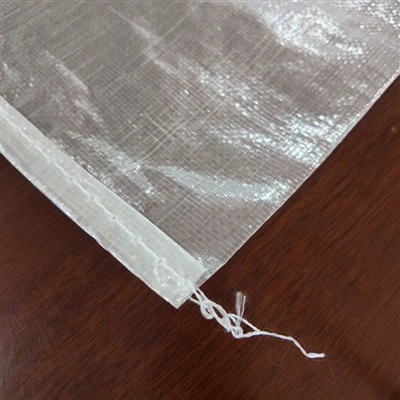
First, let’s start with the basics: what are colored PP woven bags, anyway? They’re made from polypropylene plastic, extruded into thin threads, woven into a flexible, tear-resistant fabric, and then colored through one of two common processes—mass coloring during the extrusion stage, or surface printing after the bag is made. For toys, which range from soft stuffed animals to small plastic action figures, board games, or even outdoor playsets, the material’s core properties are non-negotiable. Colored PP woven bags aren’t flimsy like thin cellophane; they hold their shape, don’t tear if a kid yanks a stuffed animal out, and they’re lightweight enough that you don’t have to pay extra shipping for heavy packaging. That alone makes them a better pick than flimsy paper bags or cheap clear plastic bags for many toy types.
The biggest question everyone asks, though, is safety. When it comes to packaging for toys, especially those intended for young kids under 8, safety isn’t something to cut corners on. I’ve had toy manufacturers come to me worried that the colored dye might leach onto the toys, or that the PP material might off-gas fumes that are unsafe for little hands. Let’s get specific here: the PP resin we use for our colored bags is food-grade, which means it meets strict standards for contact with consumables—so it’s definitely safe for contact with toys, which end up in kids’ mouths, on their hands, and everywhere in between. Unlike older plastic dyes that used heavy metals like lead or cadmium, modern mass coloring uses pigment particles that are chemically bonded to the PP threads during production, not just sitting on the surface. We test every batch of our colored bags for phthalates, lead, and volatile organic compounds (VOCs) with third-party labs, and they meet ASTM F963, the toy safety standard in the U.S., as well as EN 71, the EU toy safety standard. That’s non-negotiable for us, and for anyone packing toys—if your packaging doesn’t meet those, you can’t sell the products in major markets.
Another big plus for colored PP woven bags is their durability, which is a huge deal for toy packaging. Think about it: when a toy is shipped from a factory in China to a warehouse in the U.S., then moved to a retail store, then carried home by a kid, the packaging has to hold up to rough handling. Clear plastic bags show every scratch, every crease, and they tear easily if they get caught on a pallet or a store shelf. Colored PP woven bags, on the other hand, are tear-resistant, waterproof, and dustproof. If you’re packing a set of small toy cars or building blocks, the woven texture keeps dust out, so the toys stay clean until the kid opens them. If it’s a stuffed animal for a rainy-day gift, the waterproofing means no water seeps in if the bag gets left in a puddle or a damp shopping cart. I remember one customer who packed outdoor water toys in our navy blue PP bags—they told me that after a month of shipping and display, not a single bag had torn, and none of the toys inside were wet or dusty, whereas their previous clear bags had 5-10% damage during shipping. That kind of durability cuts down on waste, too—fewer damaged packaging means less time and money spent replacing broken goods.
Then there’s branding, which is a big part of selling toys. Colored PP woven bags are a blank canvas for branding, way more flexible than paper bags or rigid plastic boxes. The base color can be custom-matched to a toy brand’s logo—if a brand uses bright red for its action figures, we can mix the PP resin to get an exact Pantone match, so every bag is the same color, no faded or uneven tones. We can also print logos, product names, safety instructions, and even fun graphics for kids on the bags using water-based, non-toxic inks that don’t rub off on the toys inside. Unlike printed paper bags, which can smudge if they get damp, the ink on PP woven bags is fused to the surface, so it stays crisp for months. I’ve worked with small independent toy makers who love this because they can stand out on a retail shelf full of generic clear bags—your bright orange bag for dinosaur toys will catch a parent’s eye way faster than a plain clear bag.
Wait, but it’s not all perfect. There are some caveats to using colored PP woven bags for toy packaging that I always be upfront about, because I don’t want customers to buy something that doesn’t work for their specific product. First, for very small parts—think tiny toy figurines, bead sets, or puzzle pieces—you might want to add a thin inner liner to the colored PP bag, because the woven texture has small gaps. A lot of people worry about parts falling through, but we can add a food-grade LDPE liner that’s thin enough not to add bulk, but strong enough to keep small parts inside. For soft stuffed animals, though, the gaps are actually a plus—they let air circulate, so the stuffed animal doesn’t get musty if it’s stored in the bag for a few weeks, which is a problem with airtight plastic bags.
Another caveat is visibility. Clear plastic bags let customers see the toy inside, which is a big selling point because kids (and parents) want to know what they’re buying before they open it. Colored PP woven bags are opaque, so if you want customers to see the toy, you might need a window, or pair the bag with a hang tag that has a picture of the product. For brands that want that opaque look to stand out, though, this is a non-issue—they design the product photography on the hang tag to be front and center. For example, a customer who makes wooden building blocks uses our natural beige PP bags and adds a big hang tag with a photo of the blocks stacked into a castle, and sales have gone up because the bold bag color makes their brand recognizable, and the hang tag shows the product.
I also get asked if colored PP woven bags are recyclable, which is a big concern for parents and brands that care about sustainability. The short answer is yes—PP plastic is one of the most widely recyclable plastics, and colored PP bags are just as recyclable as clear ones, as long as they’re made from the same virgin PP resin. We make sure our bags are made from 100% recyclable PP, no mixed plastics, so they can be melted down and turned into new products, like garden furniture or even new plastic bags, once they’re done being used. Unlike paper bags, which can tear easily and become waste, or rigid plastic boxes that are hard to recycle, colored PP woven bags have a long lifespan and are easy to recycle at most curbside programs now—more and more cities are adding PP to their recycling lists, so that’s a big plus for eco-conscious brands.
Let me share a real example, because numbers and stories make this concrete. Last year, I worked with a mid-sized toy brand that was switching from clear PVC bags for their line of bath toys. They were having problems with PVC off-gassing, which was leading to complaints from parents that the toys smelled bad, and their shipping costs were high because the clear bags were bulky and got scuffed easily. They switched to our light blue colored PP bags, with a thin inner liner for the small toy parts, and custom printing of their logo and bath toy graphics. Within six months, their customer complaints about packaging-related smells dropped to zero, the number of damaged bags during shipping went down by 12%, and sales of that line increased by 18% because the blue bags stood out on retail shelves. That’s not just a random win— that’s real results from using colored PP woven bags for toy packaging.
Another example: a small toy maker who produces handmade wooden puzzles and stuffed forest animals. They wanted a packaging that was both eco-friendly and on-brand, so they chose our natural kraft-colored PP bags, with no printing except a small branded tag sewn onto the bag. The natural color matched their sustainable brand identity, the bags are durable enough to hold their products during shipping, and customers love that they can reuse the bags for storing toys or other items after the gift is opened. This brand’s customers often post photos of the reused bags on social media, which is free marketing for the toy company—something that wouldn’t happen with a flimsy paper bag or a disposable plastic box.
Now, let’s talk about what to avoid when using colored PP woven bags for toys. First, don’t use recycled PP resin that’s not food-grade—recycled PP can sometimes have contaminants, especially if it’s mixed with other plastics, so that’s a safety risk. We only use virgin, food-grade PP for all our colored bags, because we know how important that is for toys that touch kids’ hands and mouths. Second, don’t overcolor the bags—if you use too much pigment, it can make the bags brittle, which leads to tearing during shipping. Our team works with customers to get the right color intensity: bright colors for action figures, softer tones for stuffed animals, so the bag stays flexible and durable. Third, don’t skip the liner if you have small parts—we’ve had a few customers who tried to use unlined bags for tiny Lego-style bricks, and had parts fall out during shipping. Adding a thin liner fixes that without adding extra cost or bulk.
At the end of the day, colored PP woven bags are suitable for toy packaging if you choose the right type for your specific product, prioritize safety and durability, and pair the bag with branding and solutions that work for your target customers. They’re not the right choice for every toy—if you sell tiny, detailed items where visibility is key, a clear bag with a colored accent might work better, but for most toys, from stuffed animals to medium-sized playsets, colored PP woven bags check all the boxes: safe, durable, customizable, and sustainable.
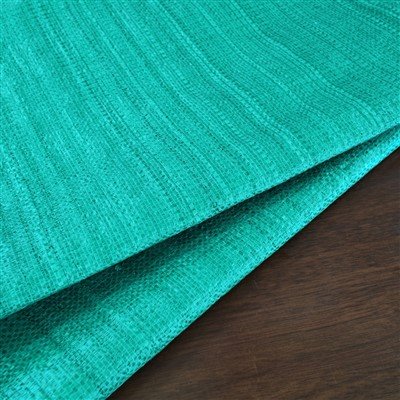
As a colored PP woven bags supplier, I’ve spent years refining our products to meet the unique needs of toy brands, and I’m always happy to work with a custom solution—whether that’s matching your brand’s exact color, adding a liner for small parts, or printing safety instructions and graphics. If you’re a toy maker looking to upgrade your packaging, reduce damaged goods, and stand out on retail shelves, let’s talk. We can share samples, discuss your specific product needs, and give you a quote that fits your budget without cutting corners on safety or quality.
General-Purpose Woven Plastic Bags references
ASTM International. (2023). Standard Consumer Safety Specification for Toy Safety (ASTM F963-23).
European Committee for Standardization. (2022). Safety of Toys (EN 71 Series).
American Chemistry Council. (2024). Polypropylene (PP) Recycling Guidelines.
U.S. Food and Drug Administration. (2023). Food Contact Materials: Polypropylene Resins.
Jining Shunxing Plastics Co., Ltd.
Jining Shunxing Plastics Co., Ltd. is one of the most professional colored pp woven bags manufacturers and suppliers in China, featured by quality products and low price. Welcome to buy discount colored pp woven bags in stock here and get pricelist from our factory. We also accept customized orders.
Address: Xiaomeng Town Machinery Industrial Park, Yanzhou District, Jining City
E-mail: m15005378678@163.com
WebSite: https://www.sxwovenbag.com/
