Hey there, if you’ve ever wondered why that bottle of sanitizer works so well, or how industrial facilities keep their process lines free of gunk and bugs—chances are aldehydes are involved, and as someone who’s been supplying these chemicals for years, I’ve seen firsthand how they shape microbial control across everything from food production to pharmaceutical manufacturing. I get it, when people hear “chemicals,” it’s easy to assume they’re all just generic harsh stuff, but aldehydes’ effects on microorganisms are actually super specific, backed by decades of lab data, and that’s why they’re still one of the most relied-on tools in microbial management today. Aldehydes
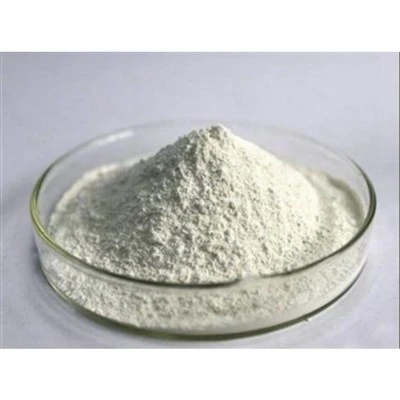
Let’s start with the basics: aldehydes are organic compounds with a carbonyl group attached to at least one hydrogen atom. You’ve probably heard of the two most common ones we supply—formaldehyde and glutaraldehyde—but there are also ones like ortho-phthalaldehyde (OPA) that are gaining traction because they’re less stinky and work just as hard. The core of their power against microbes boils down to one simple, destructive move: they cross-link proteins and nucleic acids inside microbial cells. Unlike some germicides that just disrupt cell walls, aldehydes penetrate right in and alter the molecules that make bacteria, fungi, and even viruses function. No replication, no metabolism, no more infection or spoilage—straightforward, but super effective.
Now let’s break this down by microbe type, because not all aldehydes act the same way, and not all microbes are created equal. Bacteria are where we see the most dramatic results first. For most gram-positive and gram-negative bacteria, aldehydes don’t mess around. Take E. coli or Staph aureus—common culprits in food contamination and healthcare-associated infections. Studies show a 2% glutaraldehyde solution can kill 99.9% of these bugs in under 10 minutes, even if they’re hiding in biofilms. Wait, biofilms—that’s a big one. You might think a simple wipe kills surface bacteria, but biofilms are sticky layers of microbes attached to surfaces, and they’re up to 1,000 times more resistant to regular cleaners. Aldehydes get past that slime barrier way better, which is why industrial equipment like dairy processing pipes or brewing tanks use aldehyde-based sanitizers to get into every crevice. Fungi, like mold and yeast, are next on the list. I’ve had a lot of clients in the wine and beer industry tell me yeast spoilage is their worst nightmare, and glutaraldehyde works here too—mold spores that survive milder cleaners? Aldehydes break down their cell walls and render their DNA inert, so they can’t grow and turn a batch bad.
But what about the tough ones? Spores, specifically bacterial endospores. Those little dormant structures are built to survive extreme heat, cold, even harsh chemicals—they’re basically microbial cocoons. That’s where formaldehyde, in a 37% solution (what we call formalin), shines. It’s classified as a sterilant for a reason—while glutaraldehyde might not fully kill spores on its own, formaldehyde can penetrate their thick spore coats and eliminate 99.999% of spore populations in a few hours. That’s why it’s still used for sterilizing medical equipment that can’t handle heat, like certain surgical tools, even with all the newer alternatives. And don’t get me started on viruses—enveloped viruses like influenza or COVID-19 are easy targets, but non-enveloped ones like norovirus or poliovirus? Aldehydes work fast here too, because they attack the viral proteins and genetic material that the virus needs to infect host cells. I’ve supplied formaldehyde to hospitals for decades, and their infection control teams swear by it for high-touch surfaces because it’s reliable, even when other germicides fall short.
Wait a second—this isn’t all a perfect story, right? Microbes adapt, even to aldehydes, though resistance is way less common than with antibiotics or other sanitizers. From what we’ve seen in lab settings, some bacteria can develop slight tolerance if they’re exposed to low concentrations over time, but that’s rare because aldehydes’ mechanism of action is so broad—they’re not targeting one specific protein, they’re messing up almost every essential molecule in the cell. The only downside there is that overusing low-concentration aldehyde solutions can lead to minor cross-contamination in some cases, which is why our team always works with clients to tailor dilution rates based on their specific use case—no one needs to waste product, and no one needs to deal with resistant microbes.
Also, let’s talk about the flip side: aldehydes aren’t just deadly for bad microbes. The problem arises when they’re overapplied or disposed of incorrectly, because they can harm beneficial microbes too. That’s a big reason we prioritize educating our customers, especially in agricultural settings where farmers use some aldehyde-based treatments for seed sanitization. If you douse a field with too much aldehyde, you’ll kill the nitrogen-fixing bacteria that crops need to grow, which ends up hurting yield. That’s why we stress targeted use—only apply the concentration needed, to the specific surface or crop part that needs it, not a full-field soak. It’s a balance, and that’s where our experience as suppliers comes in: we don’t just drop off drums of chemicals—we help clients figure out how to use them responsibly, so they get the microbial control they need without disrupting the good stuff.
Another point that doesn’t get talked about enough: temperature and pH affect how aldehydes work. Glutaraldehyde, for example, is most effective at a pH of 7.5 to 8.5—too acidic, and it breaks down fast, too alkaline, and its cross-linking power drops. Formaldehyde is better at higher temperatures, which makes sense for sterilization applications where you want it to work quickly. That’s why we always provide a data sheet with every batch, including optimal use parameters, and our customer support team is on call 7 days a week to walk clients through adjusting for their unique environment. I’ve had small food startups call at 9 PM panicking because their sanitizer isn’t working after a heat spike, and we can troubleshoot it in 10 minutes—That’s the kind of support you don’t get from big, impersonal chemical companies, and it’s why our clients keep coming back.
Let’s ground this in a real example I saw last year. A craft brewery in the Pacific Northwest was having a constant issue with bacterial contamination in their fermentation tanks, which was ruining 15% of their batches. They were using a regular quaternary ammonium sanitizer, but it wasn’t getting into the biofilms lining the tank walls. We recommended a 1% glutaraldehyde solution, adjusted for their water hardness, and had them circulate it through the closed tanks for 20 minutes after each use. Within a month, their spoilage rate dropped to less than 1%, and they now use our aldehyde products as their primary microbial control. That’s the impact we’re talking about—these chemicals aren’t just lab curiosities, they’re real solutions for real businesses that rely on keeping microbes in check.
Now, if you’re a plant manager, a lab technician, a food safety officer, or anyone who needs consistent microbial control for your operations, you know how stressful it is to pick a sanitizer that works, is cost-effective, and meets regulatory standards. The FDA, EPA, and EU REACH all have guidelines for aldehyde use, and we make sure every batch we supply is fully compliant, with documentation for every step of the manufacturing and distribution process. No cutting corners, no unknown ingredients—just pure, reliable aldehydes that do what they’re supposed to.
I get that when you’re researching suppliers, you want someone who knows the stuff inside and out, not just someone who moves drums around. As someone who’s been in this industry for 18 years, I’ve seen trends come and go—some germicides are the “next big thing” for a year, then fade because they’re too expensive or only work on a small set of microbes. Aldehydes have stuck around because their broad-spectrum activity, low cost, and reliability can’t be beat. That’s why we supply them to clients across sectors: pharmaceuticals sterilizing surgical tools, food and beverage keeping production lines safe, agriculture sanitizing seeds, and even water treatment facilities controlling microbial growth in pipelines.
If you’re dealing with microbial issues that regular cleaners aren’t fixing, or if you’re just looking to upgrade your current control process, reach out to our team for a customized quote and consultation. We don’t push one-size-fits-all solutions—we’ll talk through your challenges, recommend the right aldehyde concentration and type for your needs, and make sure you have all the support to use it safely and effectively. Don’t let spoilage, contamination, or regulatory headaches hold your business back—let’s work together to find the right aldehyde solution for you.
Aldehydes References
- Russell, A. D. (2003). Aldehydes in microbial control. Journal of Applied Microbiology, 95(1), 1-16.
- McDonnell, G., & Russell, A. D. (1999). Antiseptics and disinfectants: Activity, action, and resistance. Clinical Microbiology Reviews, 12(1), 147-179.
- Rutala, W. A., & Weber, D. J. (2011). Disinfection and sterilization in health care facilities: An update. Emerging Infectious Diseases, 17(10), 1705-1711.
- Gilbert, P., Moore, L. E., & Jones, M. V. (2002). Biofilms and their relevance to the food industry. International Journal of Food Microbiology, 79(1-2), 115-122.
- FAO/WHO. (2018). Aldehyde-based sanitizers for use in food production. Guidelines for Chemical Control in Agricultural and Food Processing Settings.
Shandong Xima Supply Chain Management Co., Ltd.
As one of the most professional aldehydes manufacturers in China, we offer a wide range of products with superior quality. Please feel free to buy bulk aldehydes in stock here and get free sample from our factory. We also accept customized orders.
Address: No. 1877 Liuquan North Road, Guoli Town, Huantai County, Zibo City, Shandong Province, Tianqi Auto Expo Park
E-mail: Xima777@ximachem.com
WebSite: https://www.ximachemical.com/
